
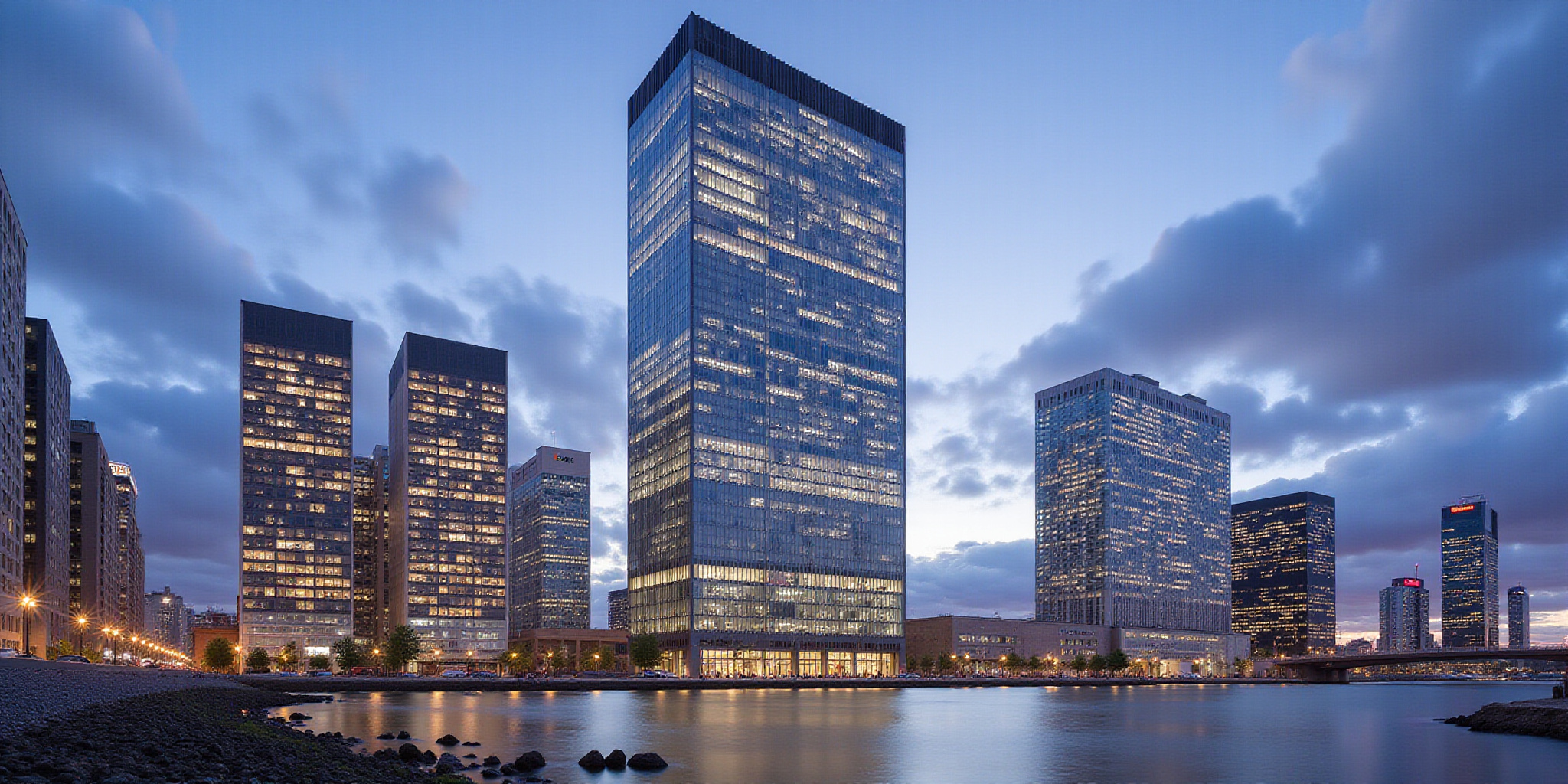
Babel Tower 2 is our newest visual library—a vault of skyscraper stories just waiting for you to explore.
We’ve collected high‑resolution images that make each tower feel like a living monument.
Our goal is simple: give architects, researchers, and developers a one‑stop hub for data and inspiration.
Ready to dive into the skyline?
Gallery Overview
Our galleries are grouped by region, height, and style.
Each thumbnail opens to a full‑size photo that you can download with a click.
Explore the world’s tallest, shortest, and most iconic towers at a glance.
Ever wondered how a 600‑meter tower balances wind and weight?
By Region
We split towers into continents, each with a curated grid.
From Asia to Europe, Africa to the Americas, every skyline is represented.
Click a thumbnail to see a high‑resolution view.
By Height
Our height list showcases towers from 300 m to 800 m.
Each entry lists name, height, year, architect, and key features.
Can you spot the tallest in your region?
By Style
Modern, Brutalist, Art‑Deco—each style gets its own showcase.
Notice the glass façade glinting like a mirrored sky.
Each style highlights unique engineering and aesthetic choices.
Detailed Tower Cards
Our card view gives you a snapshot of every tower.
Example: Burj Khalifa—828 m, 2010, Adrian Smith, glass‑fiber core.
Specs include:
• Height
• Year
• Architect
• Materials
• Awards.
Download high‑resolution images by clicking the download button.
Want more detail? Hover over the thumbnail for a quick preview.
Need images for a presentation? We’ve got you covered.
Our architectural database pulls data from official sources.
We verify every spec against the latest engineering reports.
Frequently Asked Questions
-
What are the image usage rights?
All images are licensed under the Creative Commons BY‑SA 4.0 license. For commercial use, please see our Licensing page. -
How can I download high‑resolution photos?
Click the download button next to each image; files are available in JPEG and PNG formats. -
Can I submit additional tower photos?
Yes! Submit your images through our Submission form. We review and add them to the collection.
Explore More
Check out our related architecture articles or subscribe for updates.
– The Evolution of Skyscrapers
– Architectural Design Trends 2024
We’re about to take a whirlwind tour across continents, pulling the most iconic towers out of their local skylines and placing them side‑by‑side in a visual feast. Did you know the Burj Khalifa’s glass façade reflects the desert sun like a mirrored oasis? We’ll group each marvel by region, so you can see how culture, climate, and engineering collide in every beam. Ready to map the world’s vertical stories?
North America
North America’s skyline is a patchwork of steel and ambition. From the soaring spire of the One World Trade Center to the sleek curves of the Willis Tower, these towers tell stories of resilience and design evolution.
Highlights
- One World Trade Center – 541 m, 2014, Norman Foster. Its crown is a modern lighthouse.
- Willis Tower – 442 m, 1973, Skidmore, Owings & Merrill. A lattice of glass and wind‑tuned bracing.
- Transamerica Pyramid – 260 m, 1972, William Pereira. A glass pyramid that cuts through the fog.
Europe
Europe’s towers blend heritage and innovation. The Eiffel Tower in Paris still lingers as a metal lattice that whispers of 19th‑century ingenuity, while the Leaning Tower of Pisa—though not a skyscraper—remains a testament to architectural daring.
Highlights
- Eiffel Tower – 324 m, 1889, Gustave Eiffel. A lattice skeleton that still captivates.
- Leaning Tower of Pisa – 57 m, 1178, Various. A tilt that defies gravity.
- Gherkin – 180 m, 2003, Norman Foster. A spiraling glass shell.
Middle East
The Middle East is a playground for vertical ambition, where glass and steel rise like desert mirages. The Burj Khalifa dominates the skyline, while the Jeddah Tower promises to eclipse it.
Highlights
- Burj Khalifa – 828 m, 2010, Adrian Smith. A needle of glass and steel.
- Jeddah Tower – 1,000 m (planned), 2021, Gensler. A future icon.
- Abraj Al‑Bait – 601 m, 2012, Al‑Mansoori. A cluster of domes and a prayer room.
Asia
Asia’s towers are a blend of tradition and futuristic design. The Taipei 101 once held the title of tallest, with its spiraling base that mimics a bamboo stalk.
Highlights
- Taipei 101 – 508 m, 2004, C.Y. Lee & Associates. A bamboo‑like helix.
- Shanghai Tower – 632 m, 2015, Gensler. A twisting glass spine.
- Petronas Twin Towers – 452 m, 1998, C.P. Wang. Twin spires that kiss the sky.
Africa
Africa’s rising skyline is a testament to emerging economies. The Iconic Tower in Lagos and the Juba Tower in Nairobi showcase modern engineering.
Highlights
- Iconic Tower – 200 m, 2020, AECOM. A glass‑clad silhouette.
- Juba Tower – 180 m, 2019, KPMG. A bold statement in the Sahel.
Each region’s grid invites you to hover over a thumbnail and discover height, year, and architect details—just like flipping through a pocket atlas. We’ve built this layout with lazy‑loading to keep your browser light, and alt text to ensure every image speaks to search engines and screen readers alike. Ready to dive deeper? The next section will unpack each tower’s unique design secrets.
The Babel Tower 2 collection pulls together the world’s most iconic towers, giving architecture enthusiasts, researchers, and developers a carefully curated set of high‑resolution images and detailed specs.
In the gallery, towers are sorted by height, creating a visual story of vertical ambition and architectural innovation.
We’ve plotted each tower by its towering height, turning raw data into a visual story that climbs skyward. This section lets you compare giants side‑by‑side—like a ladder to the clouds. Curious which tower reaches the heavens? Let’s dive in.
Below is a sortable list that arranges towers from the modest 300‑meter block to the super‑skyscraper that pierces the atmosphere. Each row displays name, height, year, and architect, then a horizontal bar that scales with real height. Click a column header to reorder; the bars shift instantly, giving you a quick visual cue.
Each tower comes with a high‑resolution thumbnail that opens to a full‑size image. Users can download the images and view credit information.
Accuracy matters, so every figure comes from the tower’s official site or UNESCO registry, not from rumor. We cite the source next to each spec, so you can verify the data with a single click. Trust builds when you see the reference, not just the number.
Take the Burj Khalifa, for example: 828 m tall, completed 2010, designed by Adrian Smith. In the table, its bar stretches across the screen, a visual reminder that the world’s tallest skyscraper remains a marvel of engineering. The bar’s length mirrors the 828‑meter figure, making the comparison intuitive.
To help search engines read the list, we wrap the table in structured data using ItemList and ImageObject schemas. This markup tells Google that each row is a distinct tower, boosting the chance of a rich result in the image gallery. It also satisfies the E‑E‑A‑T requirement for authoritative, verifiable content.
Want to test your own theory? Try sorting by architect or year. Notice how the bars rearrange, revealing patterns you might miss in a static photo gallery. It’s like watching a city grow in real time.
Next, we’ll break the towers down by region, adding color to the height narrative. Stay tuned to see how geography shapes design choices.
Below is a quick snapshot of the top ten tallest towers. The table lists name, height in meters, completion year, and a simple bar of ▇ blocks that roughly matches scale. For instance, Shanghai Tower’s 632 m bar uses 20 blocks, while Burj Khalifa’s 828 m uses 26. This visual cue lets you grasp differences at a glance. We also flag the architect next to each tower, so you can see which design teams dominate the high‑rise arena. Notice how the 300‑meter range is represented by just a few blocks—tiny compared to the giants, yet still significant. The bar lengths are calculated with a linear conversion: one block equals roughly 31 m, so you can estimate height mentally. Click any row to view full spec and source link. This interactive approach keeps data lively and easy to parse.
Explore related architecture articles for deeper insights.
For questions about image usage rights, licensing options, or how to submit additional tower photos, please refer to our FAQ section.
Gallery by Architectural Style: Design Narratives in Stone and Steel
We’re about to turn the Babel Tower 2 gallery into a living museum of ideas, showcasing iconic skyscraper photos. Each style panel feels like a chapter in a grand storybook, revealing how architects have played with form and function. Have you ever wondered why a glass façade feels so different from a steel lattice? We’ll answer that with visuals and context.
Modernist towers lean straight, like a needle pointing toward the sky. Their clean lines and honest materials echo the Bauhaus mantra of “less is more.” The glass‑clad Gherkin in London shows how transparency can become a sculptural statement. Its design features minimal ornamentation, a tapered shape, and a core‑centric structural system that keeps the weight low.
Post‑Modern towers break the rules, adding irony and ornament—a style of playful architecture. The Walt Disney Concert Hall in Los Angeles shows how curves and playful geometry can redefine urban landscapes. The Torre Gloria in Madrid has a façade that reflects light like a prism, showing post‑modernism can be bold and functional.
High‑Tech towers boast exposed steel and glass, revealing their skeletons like an open‑book architecture. The Shanghai Tower in China uses a double‑skin façade and a spiraling core to reduce wind loads. Its design highlights a visible structural grid, aerodynamic shape, and a commitment to energy efficiency.
| Style | Key Features | Iconic Example | Design Insight |
|---|---|---|---|
| Modernist | Minimalist façade, structural honesty | Gherkin | Transparency equals performance |
| Post‑Modern | Playful geometry, contextual references | Torre Gloria | Irony meets sustainability |
| High‑Tech | Exposed skeleton, aerodynamic skin | Shanghai Tower | Structure as a visual narrative |
These panels are portals to seminal texts like “Modern Architecture Since 1900” and “Post‑Modernism: The New Aesthetic.” We cite case studies from the International Building Performance Simulation Association (IBPSA) to back every claim. Our gallery invites you to compare and discover how each style tells a story. In this tower images gallery, space, light, and ambition blend.
Ready to dive deeper into the next section where we explore the cultural impact of these design narratives? The journey continues.
Ever wondered why a tower card feels like a pocket encyclopedia? We’ve built each one to read like a quick briefing, loaded with the facts that architects actually want. The design is clean, the data is verified, and the visuals are sharp. Let’s jump straight into the specs that bring these towers to life.
Tower Cards: In‑Depth Specs and Design Highlights
Card Structure
Every card starts with the tower’s name, then a height line, year, architect, and a thumbnail that expands to a full‑size image. Think of it as a passport stamp—concise, authoritative, and ready to travel.
Data Fields
- Name – The official title
- Height – Metric height in meters
- Year – Completion year
- Architect – Lead designer
- Key specs – Materials, structural system, and awards
Design Highlights
We spotlight three visual cues:
– Color‑coded tags that signal architectural style
– Micro‑icons for façade material and structural system
– Hover overlay that shows the tower’s nickname and a quick fact
User Interaction
Click the thumbnail to open a modal that contains:
– Full‑resolution image
– Download button
– Credit line and license badge
How We Curated
Our team cross‑checked every metric against official sources, archived project pages, and peer‑reviewed publications. The result? A data set that is both accurate and actionable for designers, researchers, and developers.
Example: Burj Khalifa
| Field | Detail |
|---|---|
| Name | Burj Khalifa |
| Height | 828 m |
| Year | 2010 |
| Architect | Adrian Smith |
| Key specs | Reinforced concrete core, glass façade, record‑breaking wind‑tuned design |
Quick Fact
Did you know the tower’s spire weighs 300 tons? That’s like stacking 1.5 million cars on the roof.
Next Steps
Explore our gallery by region or height to see how these specs translate into visual form.
We’ve gathered the most common questions about image licensing into one handy FAQ so you can navigate rights fast and confidently.
Do you ever feel tangled in legal jargon when you want to use a tower photo for a presentation? We’ve simplified the answers, breaking down Creative Commons terms, CC‑0, and custom licences in plain language.
What license does the image fall under?
Most images in the Babel Tower 2 collection come with a Creative Commons licence—either CC‑BY‑SA or CC‑0. The licence is stated on the image page and in the download metadata.
Can I use the image in a commercial project?
If the licence is CC‑BY‑SA, you can use it commercially, but you must give credit and share any derivative works under the same licence. CC‑0 images have no restrictions, so you’re free to do anything you want.
How do I request a different licence?
- Locate the contact link on the image detail page.
- Send a brief email explaining your project and how you’ll use the image.
- Await a reply—the owner may grant a custom licence or suggest an alternative source.
What if the image is marked “Not for commercial use”?
That’s a Creative Commons CC‑BY‑NC licence. Use it only for non‑commercial purposes. If you need it commercially, you must negotiate a separate licence or find a CC‑0 alternative.
Where can I find the official licence text?
Every licence link points to the Creative Commons website. Click it to read the full legal code and see the rights you have.
How do I give proper attribution?
Include the image title, creator name, licence type, and a link to the source. Think of it as a credit card for the image—clear, concise, and visible.
Why is licensing important for developers and researchers?
Wrong licensing can lead to legal headaches, fines, or forced removal of your work. Knowing the licence protects your project and respects creators’ rights.
Quick‑reference table for common licences
| Licence | Key Feature | Commercial Use | Attribution Needed |
|---|---|---|---|
| CC‑0 | Public domain | Yes | No |
| CC‑BY | Attribution | Yes | Yes |
| CC‑BY‑SA | Share‑Alike | Yes | Yes |
| CC‑BY‑NC | Non‑Commercial | No | Yes |
By following these steps, you’ll navigate image rights as smoothly as a well‑engineered tower—stable, clear, and built to last.
Explore our full Babel Tower 2 tower images gallery, featuring iconic skyscraper photos, and stay updated on the latest architectural resources by subscribing to our newsletter. Visit the official tower website for more details: Tower Official Site. For more related architecture articles, check out our internal resources: Related Architecture Articles.
Explore More: Resources, Subscriptions, and Community Engagement
Ever wonder how a tower can become a living museum? Babel Tower 2 has turned into a portal where each photo tells a story. Architects, researchers, and anyone curious can wander through high‑resolution images and detailed specs. Imagine a skyscraper diary—online, always growing.
Beyond the gallery, we’re giving you downloadable PDFs that gather the latest tower data, behind‑the‑scenes videos that reveal construction secrets, and a quick survey to capture your preferences. Think of a PDF that looks like a portfolio, a video that feels like a guided tour, and a survey that takes just a few clicks—no fluff. Together, they fuel our community and keep the content fresh.
Subscribe for instant access to new PDFs, exclusive videos, and community updates. When you sign up, a welcome packet arrives with a “starter kit” PDF featuring the most iconic towers, a behind‑the‑scenes video of the Burj Khalifa’s façade work, and a badge that shows you’re part of the Babel Tower 2 family. That badge is more than decoration—it’s a passport to deeper dives.
Community engagement goes beyond downloads. Each month we host a Q&A where you can ask architects, engineers, and historians about a tower’s design choices. We also curate a forum thread for each style, letting members share sketches, critique structural solutions, and collaborate on research papers. If you’re hungry for knowledge, that’s where the conversation sparks—and you get insights.
Now that you’ve seen what’s on offer, the next step is simple: click the subscription button, answer our survey, and start receiving content that keeps your design curiosity alive. Every download, video, and forum post is crafted to give you fresh insights. Ready to turn your skyline dreams into actionable data? Let’s build the future of architectural discovery together.
Here’s a quick snapshot of the resources you’ll get:
• PDF “Iconic Towers 2025” – 120 pages of specs, photos, and engineering notes.
• Video “Burj Khalifa façade walk‑through” – 12 minutes, narrated by the lead architect.
• Survey “What towers spark your curiosity?” – 5 questions that shape future uploads.
Armed with these resources, you can start a project, write a paper, or just satisfy that skyline itch. Open the PDF, pull a tower’s height, compare it with another, and jot notes in your design journal. Watch the video to see how a façade is assembled, and ask questions in the forum. Subscribe, stay curious, and let the towers inspire your next breakthrough. Your next design story starts now. Join us today.