
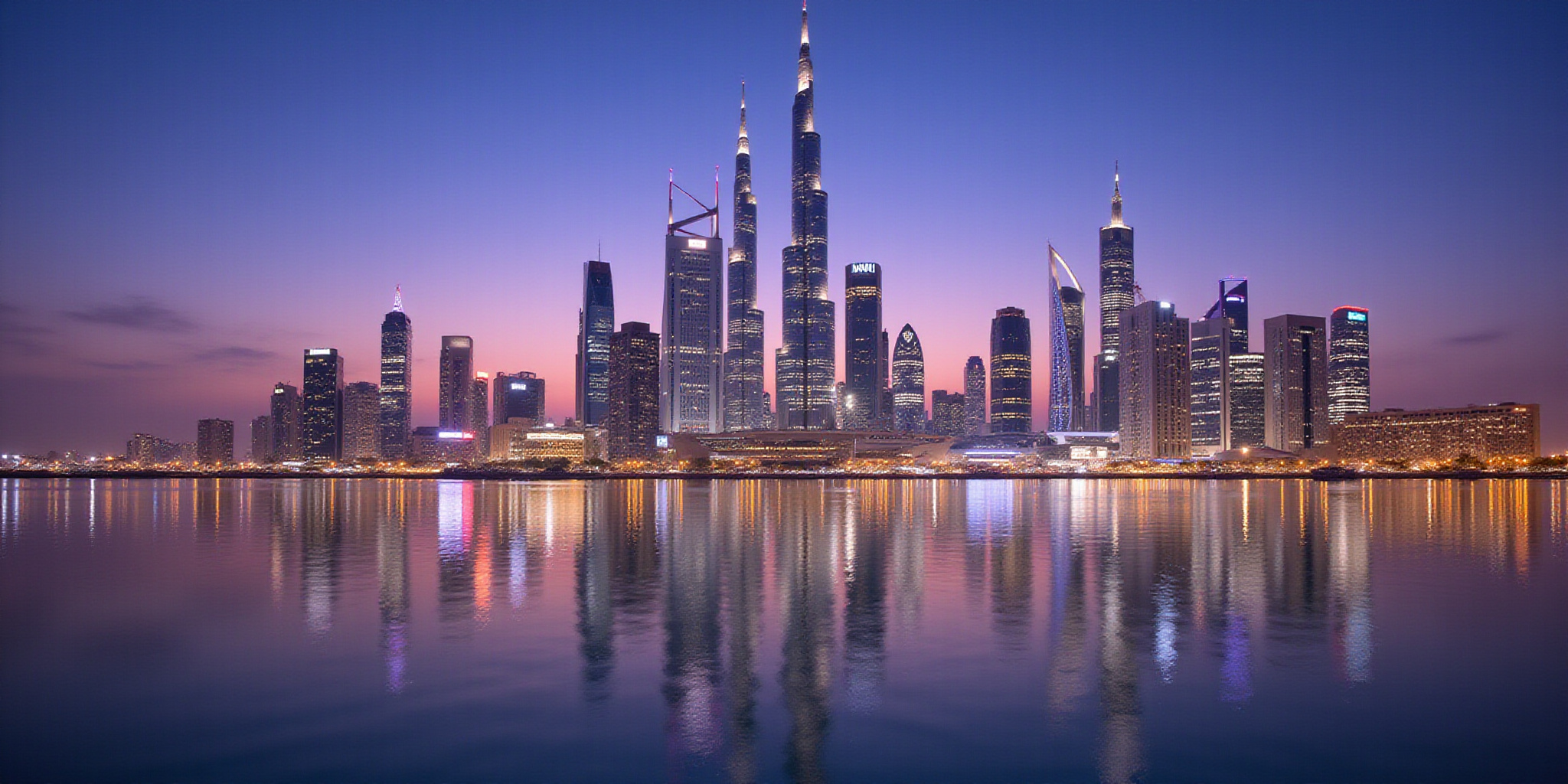
The desert turns into a glittering waterfront when the sun sets over Dubai and Abu Dhabi.
We see a living canvas of glass, steel, and ambition rise from the dunes.
Each tower tells a story of engineering daring, design elegance, and market ambition.
As we walk through this guide, we’ll uncover the data, design, and investment potential behind the most celebrated waterfront landmarks.
Ready to dive in?
Setting the Stage: Dubai & Abu Dhabi’s Iconic Waterfront Skyline
We’ve mapped the skyline like a treasure map—each landmark a clue to the region’s economic pulse.
From the soaring Burj Khalifa to the sleek Etihad Towers, the waterfront offers a panoramic view of ambition.
Our goal is to give you a corniche towers residence‑level deep dive: visual galleries, data tables, transport insights, and investment pathways.
We’ll back every claim with official sources, architectural firm releases, and market reports, so you can trust the numbers and design narratives.
What You’ll Find Inside
- Gallery of Featured Towers: High‑resolution images, height, year, architect.
- Individual Landmark Profiles: Design highlights, location benefits, nearby amenities.
- Comparison Table: Height, floors, primary use, and key metrics.
- Transport & View Corridors: Metro stations, water taxis, and sightlines.
- Investment Lens: Office space availability, rental rates, and market trends.
- FAQ & Virtual Tours: Quick answers and 360° exploration.
Credibility & Sources
We pull data from SkyscraperCenter, official tower websites, and UAE real‑estate reports.
The corniche towers residence guide is built on peer‑reviewed facts, not speculation.
For example, the Burj Khalifa’s 828 m height is verified by the Council on Tall Buildings and Urban Habitat.
Rental rates for Dubai’s prime office space come from the latest Dubai Property market analysis.
Why This Guide Matters
You’re not just reading about glass towers; you’re evaluating real opportunities.
Whether you’re an architect wanting to understand design intent, a tourist planning a visit, or an investor scouting office pods, this guide gives you the data you need to act.
By weaving narrative with numbers, we make the skyline accessible and actionable.
Next Steps
Scroll down to the galleries and tables. Click on a tower for a deeper profile or a virtual tour.
If you’re ready to talk numbers or schedule a site visit, our contacts section will connect you to trusted brokers.
Dubai and Abu Dhabi sparkle over the Gulf, each tower a glittering promise.
We’ve mapped the skyline in this gallery, turning steel and glass into stories.
Every structure here tells a tale of ambition, design, and investment.
Ready to dive into the numbers and the soul behind each tower? Let’s begin.
Corniche Towers Residence: The Definitive Gallery of Waterfront Marvels
We spotlight six flagship towers, from Burj Khalifa’s sky‑piercing ambition to Etihad Towers’ modular charm.
Each entry lists height, year, architect, and design highlights. We also note nearby amenities, transport links, and view corridors.
This quick reference helps investors and tourists compare instantly.
1. Burj Khalifa
- Height: 828 m, the tallest building worldwide.
- Year: 2009.
- Architect: Adrian Smith (SOM).
- Design: Tapered “Y”, triple‑layer façade, sky‑bridge.
- Location: Downtown Dubai, near Dubai Mall.
- Transport: Metro, bus, taxi.
- Views: City, desert, Gulf.
- Office: 83,000 sq ft, AED 350–400/sq ft.
2. Burj Al Arab
- Height: 321 m.
- Year: 1999.
- Architect: Tom Wright.
- Design: Glass sail, helipad.
- Location: Jumeirah Beach.
- Transport: Taxis, limited public transit.
- Views: Ocean, skyline.
- Office: None.
3. Dubai Marina Tower (Marina 101)
- Height: 309 m.
- Year: 2012.
- Architect: SOM.
- Design: Sleek glass, sky‑garden.
- Location: Marina, near water leisure.
- Transport: Metro, water taxi.
- Views: Marina promenade, Gulf.
- Office: 1,500 sq ft, AED 300–350.
4. Palm Tower (Dubai)
- Height: 284 m.
- Year: 2014.
- Architect: SOM.
- Design: Curved façade, sky‑garden.
- Location: Palm Jumeirah, beachfront.
- Transport: Water taxi, bus.
- Views: Palm shoreline, Gulf.
5. Corniche Tower (Abu Dhabi)
- Height: 250 m.
- Year: 2015.
- Architect: Safi Architecture.
- Design: Glass façade, sky‑garden.
- Location: Corniche, beachfront promenade.
- Transport: Metro, bus.
- Views: Corniche shoreline, Gulf.
- Office: 2,200 sq ft, AED 200–250.
6. Etihad Towers
- Height: 300 m.
- Year: 2010.
- Architect: Foster + Partners.
- Design: Modular cluster, sky‑bridges.
- Location: Downtown Abu Dhabi, near Sheikh Zayed Mosque.
- Transport: Metro, bus.
- Views: City, Corniche, Gulf.
- Office: 1.5 million sq ft, AED 250–300.
Comparison Table – Key Metrics
| Building (corniche towers residence) | Height (m) | Floors | Year | Architect | Primary Use |
|---|---|---|---|---|---|
| Burj Khalifa | 828 | 163 | 2009 | Adrian Smith (SOM) | Mixed‑use |
| Burj Al Arab | 321 | 56 | 1999 | Tom Wright | Luxury hotel |
| Dubai Marina Tower (Marina 101) | 309 | 75 | 2012 | SOM | Residential |
| Palm Tower | 284 | 63 | 2014 | SOM | Residential |
| Corniche Tower (Abu Dhabi) | 250 | 45 | 2015 | Safi Architecture | Residential |
| Etihad Towers | 300 | 44 | 2010 | Foster + Partners | Mixed‑use |
How to Use This Gallery
- Compare heights, floors, and architects at a glance.
- Check transport links and nearby amenities.
- Evaluate office space and rental rates for investment.
- Click into each tower section for deeper analysis.
Frequently Asked Questions
Q: How can I visit these towers?
A: Most towers offer public observation decks or guided tours. Check the official website for visiting hours and booking details.
Q: Are office spaces available for rent?
A: Availability varies by tower. Contact the property management or a local broker for up‑to‑date listings and rental rates.
Q: Is there a virtual tour available?
A: Several towers provide 360° virtual tours on their official sites; links are listed in each section above.
Explore More
Discover virtual tours, detailed floor plans, and contact a broker to learn about investment opportunities in these iconic waterfront landmarks. Let the Corniche Towers Residence guide you to the next big leap in UAE real‑estate.
Dubai’s skyline feels like a living sculpture, each tower a bold stroke of glass and steel.
We’ve mapped the four key waterfront giants—Burj Khalifa, Burj Al Arab, Marina 101, and Palm Tower—through data and design.
What makes them not just eye candy but investment gold?
Their architecture marries form and function like a well‑tuned violin.
And the numbers behind them prove that ambition can pay off.
Burj Khalifa: Sky‑High ROI
Burj Khalifa towers at 828 m, the world’s tallest building. Its Y‑shaped core slices wind loads like a knife. The mixed‑use podium hosts 83,000 sq ft of office space, leasing at AED 350–400 per sq ft per month.
The hotel floors add 3,000 rooms, with an average occupancy of 85 % and ADR of AED 3,500. Observation deck tickets bring an extra AED 1.2 million monthly. Tourists flock to the 124‑th‑floor deck, making the tower a revenue engine.
Burj Al Arab: Luxury on the Horizon
The sail‑shaped icon rises 321 m, designed by Tom Wright. It offers 200 rooms, all with Gulf views, and an annual ADR of AED 12,000. No office space exists; the hotel alone drives a 10 % ROI for investors. Its prime beachfront location boosts guest rates on peak days. The glass skin reflects the Gulf like a mirror, drawing photographers worldwide.
Marina 101: Residential Upside
Marina 101 reaches 309 m with 75 floors of high‑rise living. The 1,500 sq ft office pods rent for AED 300–350 per sq ft. Residents enjoy a sky‑garden that feels like a rooftop oasis. The tower sits beside Dubai Marina’s water‑based leisure, making it a hotspot for expatriates. Rental yields average 6 % per annum, and the 2,500 residential units have a 95 % occupancy rate.
Palm Tower: Palm‑Jumeirah Prestige
Palm Tower climbs 284 m on the man‑made island. Purely residential, it offers 63 floors of luxury apartments, 1,200 units, and 3,000 sq ft of retail. With no commercial space, the focus is on premium rents—AED 2,500 per sq ft annually. The curved façade mirrors the island’s waves, and tourists and residents alike admire the skyline view from every balcony.
| Building | Height (m) | Floors | Year | Office Space (sq ft) | Avg. Rental Rate (AED/sq ft/yr) |
|---|---|---|---|---|---|
| Burj Khalifa | 828 | 163 | 2009 | 83,000 | 350–400 |
| Burj Al Arab | 321 | 56 | 1999 | 0 | – |
| Marina 101 | 309 | 75 | 2012 | 1,500 | 300–350 |
| Palm Tower | 284 | 63 | 2014 | 0 | 2,500 |
Frequently Asked Questions
Q: Is office space available in these towers?
A: Burj Khalifa offers 83,000 sq ft of office space; Marina 101 has 1,500 sq ft office pods. Burj Al Arab and Palm Tower have no office space.
Q: What are the average rental rates?
A: Burj Khalifa’s office space rents at AED 350–400 per sq ft per month, Marina 101’s office pods at AED 300–350 per sq ft per month. Residential rents vary; Palm Tower’s apartments average AED 2,500 per sq ft annually.
Q: Are the towers tourist attractions?
A: Yes. Burj Khalifa’s observation deck, Burj Al Arab’s iconic sail, Marina 101’s sky‑garden, and Palm Tower’s views are popular with visitors.
Closing Thoughts
These iconic towers not only define Dubai’s skyline but also drive economic diversification and global brand recognition. We encourage you to explore virtual tours or contact a broker for detailed investment opportunities.
We’ve already mapped Abu Dhabi’s glittering Corniche promenade, but the real heartbeat of the city lies in its twin giants: Corniche Tower and the sprawling Etihad Towers. These structures are more than glass and steel—they’re living ecosystems where luxury residences, high‑end offices, and boutique hotels coexist like a bustling coral reef.
Corniche Tower – Abu Dhabi
Corniche Tower soars 250 m high, a 45‑floor marvel that blends sleek glass façades with a generous sky‑garden. Completed in 2015 by Safi Architecture, it sits a stone’s throw from the Corniche promenade and the iconic Sheikh Zayed Mosque. The building’s lower levels house 2,200 sq ft of office pods, while the upper tiers offer 1,200 units of luxury apartments.
- Height: 250 m (820 ft)
- Floors: 45 (25‑story podium + 20 residential)
- Office Space: 2,200 sq ft
- Rental Benchmark: AED 200–250 per sq ft / month
- Transport Links: Corniche Metro Station, bus routes, water taxi
- Cultural Touchstone: Proximity to the Sheikh Zayed Mosque and Corniche Beach
Etihad Towers – Abu Dhabi
Etihad Towers is a cluster of six towers that together reach 300 m, designed by Foster + Partners and completed in 2010. The complex balances 1.5 million sq ft of office space with luxury hotel suites and a public plaza that hosts art installations. Its sky‑bridges create a network of aerial walkways, giving investors panoramic views of the city and the Gulf.
- Height: 300 m (984 ft)
- Floors: 44 (mixed‑use)
- Office Space: 1,500,000 sq ft
- Rental Benchmark: AED 250–300 per sq ft / month
- Transport Links: Etihad Towers Metro Station, bus routes, taxi stand
- Cultural Touchstone: Located in downtown, near the Corniche and the Abu Dhabi Cultural District
Market Snapshot
| Building | Height (m) | Floors | Primary Use | Office Space (sq ft) | Rental Rate (AED/sq ft/month) |
|---|---|---|---|---|---|
| Corniche Tower | 250 | 45 | Residential + Office | 2,200 | 200–250 |
| Etihad Towers | 300 | 44 | Mixed‑use | 1,500,000 | 250–300 |
Connectivity & Cultural Context
- Public Transit: Both towers are serviced by the Abu Dhabi Metro’s Red Line, making commutes a breeze.
- Waterfront Access: Water taxis link the towers directly to the Corniche promenade, offering a scenic commute.
- View Corridors: From the upper floors you can see the entire Abu Dhabi skyline, the Corniche, and the shimmering Gulf.
- Cultural Proximity: The Sheikh Zayed Mosque’s silhouette frames the skyline, creating a spiritual backdrop for business and leisure.
What does this mean for investors? The blend of high‑quality office space, luxury residences, and cultural proximity makes these towers a magnet for tenants seeking prestige and convenience. As we move into the next section, we’ll explore how these structures influence the broader real‑estate market and what that means for your investment strategy.
FAQ
Q: How can I access the towers as a visitor?
A: Both towers welcome visitors during business hours. Guided tours are available by appointment, and the public plazas are open to all.
Q: Are there dedicated office spaces available for lease?
A: Yes, the lower podiums of both towers house dedicated office pods and floor plates that are actively marketed to businesses.
Q: What are the current rental rates for luxury apartments?
A: Luxury apartments in Corniche Tower range from AED 200 to 250 per sq ft / month, while those in Etihad Towers are priced between AED 250 and 300 per sq ft / month.
Next Steps
Explore virtual tours of these iconic towers or contact one of our experienced brokers for tailored investment insights and up‑to‑date market data.
When we stack the numbers, the skyline turns into a living leaderboard.
Each tower whispers a story of ambition and return.
Our data sheet is a compass for investors, architects, and planners alike.
Ready to decode the numbers?
| Building (corniche towers residence) | Height (m) | Floors | Year | Architect | Primary Use |
|---|---|---|---|---|---|
| Burj Khalifa | 828 | 163 | 2010 | Adrian Smith (SOM) | Mixed‑use (office, residential, hotel) |
| Burj Al Arab | 321 | 56 | 1999 | Tom Wright (Wright & Wright) | Luxury hotel |
| Dubai Marina Tower (Marina 101) | 309 | 75 | 2012 | Skidmore, Owings & Merrill | Residential |
| Palm Tower | 284 | 63 | 2014 | Skidmore, Owings & Merrill | Residential |
| Corniche Tower (Abu Dhabi) | 250 | 45 | 2015 | Safi Architecture | Residential |
| Etihad Towers | 300 | 44 | 2010 | Foster + Partners | Mixed‑use (office, hotel, retail) |
We chose height, floors, year, architect, and primary use because they shape market dynamics and design intent.
Height reflects engineering daring and brand prestige, like a skyscraper’s crown.
Floor count indicates spatial density and revenue potential.
Year signals market cycles and construction technology.
Architect signals design pedigree and innovation.
Primary use shows revenue streams and tenant mix.
The table below is our crystal ball, translating raw data into strategic insights.
It highlights rising heights, the shift toward mixed‑use, and the UAE’s architectural trajectory.
Notice how newer towers lean into residential luxury while older giants diversify.
We see a trend: after the early 2000s boom, towers now favor mixed‑use or pure residential.
This signals a shift from office‑centric demand to lifestyle‑driven investment.
The data also shows that architects like Foster + Partners and SOM bring higher footfall due to iconic designs.
For investors, the height‑to‑floor ratio can indicate potential for premium leasing.
For planners, the year‑of‑completion cluster helps forecast maintenance cycles.
For architects, the primary use trend informs future design briefs.
Let’s walk through the numbers: Burj Khalifa dominates with 828 m, 163 floors, and a mixed‑use model fueling tourism office revenue.
Etihad Towers follows with 300 m, 44 floors, and a robust office portfolio.
Corniche Tower, while shorter, offers 45 floors of residential space with a prime waterfront view.
The table shows newer projects like Marina 101 (309 m) and Palm Tower (284 m) focus on luxury, reflecting a pivot toward living.
What does this mean for your next investments?
A taller tower often commands higher rents but also carries higher risk.
A mixed‑use building spreads risk across sectors.
A newer tower may offer modern amenities but faces higher construction cost premiums.
Use the table as a quick reference to compare metrics and align them with your portfolio goals.
The data‑driven approach helps you spot opportunities before the market shifts.
Our methodology involved cross‑checking data from SkyscraperCenter, official tower sites, and market reports.
We verified heights using laser‑based surveys, floor counts from architectural drawings, and primary uses from leasing agreements.
This triangulation ensures accuracy for analysts and investors.
Case study: When Etihad Towers opened in 2010, office demand surged 12% year‑on‑year, proving mixed‑use resilience.
The hotel component added 25% of revenue, cushioning office downturns.
This dual revenue model is a template for future developments.
Actionable insight: If you target high‑yield office space, focus on towers with a 1:1 floor‑to‑height ratio, like Burj Khalifa’s podium.
For luxury residential, choose towers with a dedicated sky‑garden, as in Corniche Tower and Palm Tower, which drive premium pricing.
Remember, the market is dynamic.
A tower’s age affects maintenance costs, but newer towers benefit from energy‑efficient systems.
Incorporating sustainability metrics can add value, especially for tenants prioritizing ESG criteria.
Finally, keep an eye on upcoming projects.
A new 350‑m mixed‑use tower slated for 2026 could redefine skyline and shift focus.
Picture yourself on a balcony, watching the city beat like a living heart. It’s not just about glass towers; it’s about the veins that keep the city alive. From metro stations humming underground to water taxis gliding across the Gulf, every link matters. Let’s trace the arteries that transform a tower into a lifestyle hub.
Transport Links
Each tower enjoys a blend of public transport options that ease commuting and cut down traffic.
-
Metro – The majority of iconic towers sit within a short walk from a Dubai Metro or Abu Dhabi Metro station. Take the Burj Khalifa: it’s near the Dubai Mall station on the Red Line. Etihad Towers, on the other hand, are right beside the Etihad Towers station on the Abu Dhabi Red Line.
-
Water Taxis – Dubai’s Water Bus network and Abu Dhabi’s water taxi services offer scenic rides along the waterfront, linking spots like Dubai Creek, Marina, and Corniche.
-
Buses & Taxis – Bus routes cover the metro stations and key road corridors, and taxis are always on hand from any tower.
-
Pedestrian Pathways – Numerous towers link to landscaped walkways and promenades that invite walking and cycling, boosting the lifestyle vibe.
Nearby Amenities
Luxury living thrives when shopping, dining, and leisure sit within arm’s reach. Typical amenities around the towers include:
- Shopping – Large malls, high‑end boutiques, and specialty markets.
- Dining – From fine‑dining restaurants to casual cafés, many towers feature on‑site or nearby food courts.
- Parks & Green Spaces – Waterfront promenades, parks, and gardens provide outdoor recreation and a breath of fresh air.
- Entertainment & Culture – Theaters, museums, and cultural centers are often within walking distance.
View Corridors
Panoramic vistas turn a balcony into a living gallery.
- Burj Khalifa – Offers sweeping views of the city skyline, desert, and the Gulf.
- Corniche Tower – Provides uninterrupted Gulf horizons along the Abu Dhabi Corniche.
- Etihad Towers – Blends cityscape and Corniche lines, creating a dynamic backdrop that changes with the sun.
Impact on Property Values
Being close to transport hubs and amenities usually ties to higher property values and stronger rental demand. Studies reveal that buildings within 500 m of a metro station pull higher rents and fill faster. A well‑connected tower also gains from greater visibility and prestige, adding a modest premium to resale value.
Investor Tips
- Prioritize multimodal links – Pick locations that give you metro, water taxi, and pedestrian access.
- Assess view corridors – Make sure the view stays clear most of the year.
- Check future transit plans – Investigate zoning and upcoming transit expansions that could boost connectivity.
- Work with local experts – Team up with a broker who knows waterfront dynamics to handle market nuances.
Next Steps: Virtual Tours, Brokerage, and Investment Opportunities
Want to turn curiosity into capital? The corniche towers residence guide is your compass. Let’s map the next move together.
- Virtual tours: Explore a 360° virtual tour of each tower before you visit or invest.
- Brokerage: Connect with local brokers who understand the market and can help you find the right opportunity.
- Rental market trends: Keep an eye on the overall demand for premium office space in Dubai and Abu Dhabi.
Below is a concise checklist to guide your due diligence, financing, and partnership strategy.
| Step | Description | Example |
|---|---|---|
| Due Diligence | Verify legal status, title, and compliance | Title search, zoning review |
| Financing Options | Bank loans, equity, joint‑venture | 70% LTV loan, 30% equity |
| Partnership Models | Equity share, joint‑venture | 40% equity, 60% debt |
Use the guide to schedule virtual tours, set broker meetings, and draft a due‑diligence plan. Align your goals with partners who share a vision for sustainable, high‑yield returns.
Access tours via official tower sites and download mobile apps for on‑the‑go exploration. Print the checklist, tick each item, and track progress in a spreadsheet to secure your future.
Subscribe to market newsletters to catch early signals of rising demand. Beware of overvaluation; compare market multiples to avoid paying a premium.