
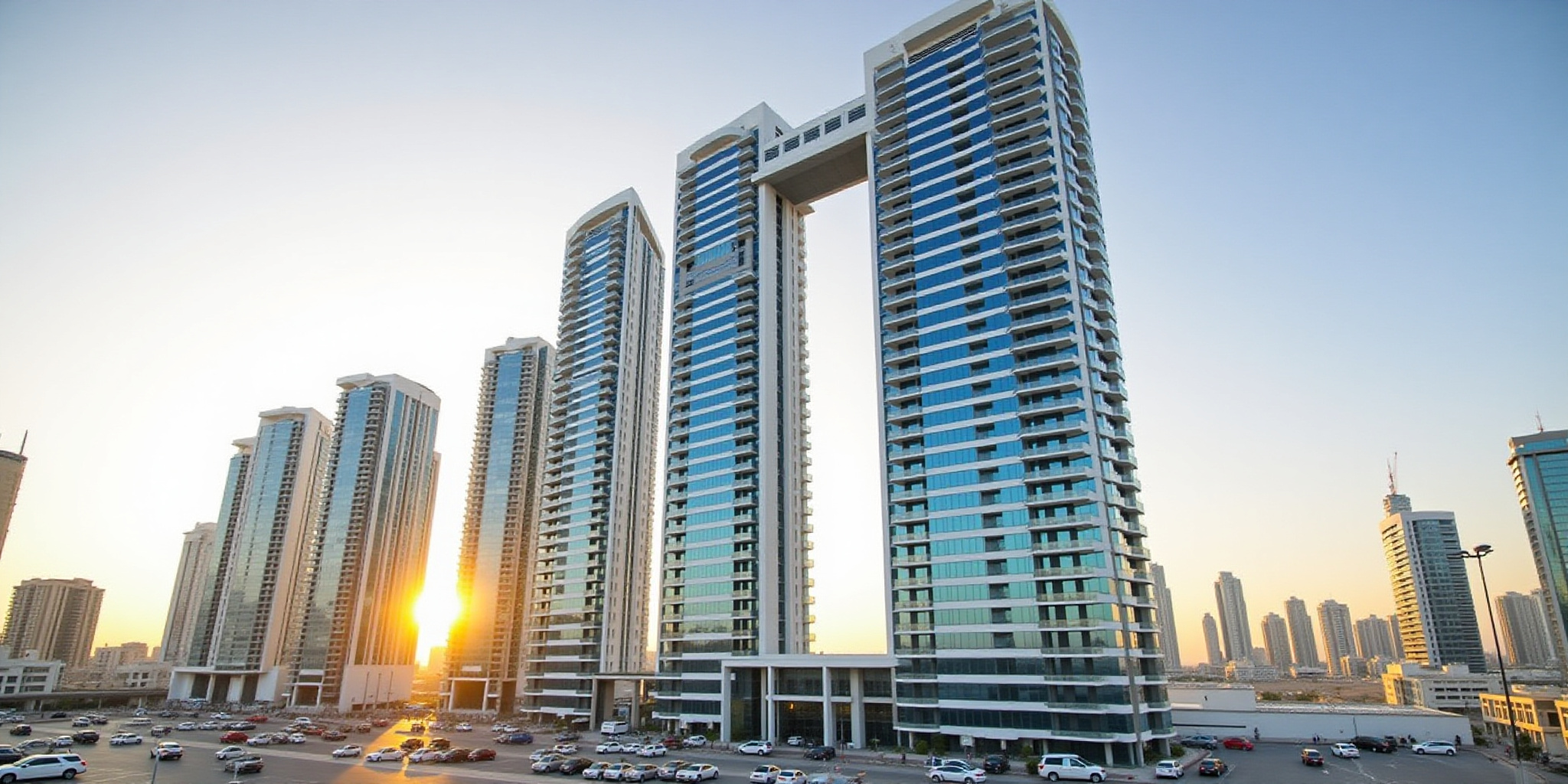
Why Buying an Apartment in Dubai on Installments Is a Game‑Changer
We’re about to flip the script on buying a Dubai apartment—think zero‑down and installments instead of a massive upfront cash outlay. Picture owning a sleek high‑rise without draining your savings, just a manageable monthly payment that feels more like rent than a loan. We’ll walk through how these plans unlock ownership for first‑time buyers and why they’re becoming the go‑to strategy for expats.
Dubai’s real‑estate engine runs on high rental yields, tax‑free returns, and a steady rise in property values. That makes financing not just an option—it’s a smart move. Zero‑down schemes let you tap into the market’s momentum while keeping your emergency fund intact.
Banks and developers have teamed up to offer “effective” zero‑down options. Developers may ask for 10‑15 % at handover, then spread the rest over 5‑10 years at a fixed rate. Banks like Emirates NBD, Dubai Islamic Bank, and Mashreq provide low‑down products, often with introductory fixed rates and flexible tenures.
| Credit Score Range | Eligible Loan Products |
|---|---|
| 700–750 | Standard mortgage with 0‑10% down |
| 650–699 | Limited‑down mortgage (10–15% down) |
| 600–649 | Special loan programmes, higher rates |
| <600 | Not eligible for most banks; consider alternative financing |
When you compare an installment plan to a traditional mortgage, the difference is clear: installments lower your upfront cash but bump up monthly payments over a shorter period. A 5‑year plan on a AED 3 M property with a 10 % down payment could cost you about AED 47 000 per month, while a 25‑year mortgage might be around AED 16 500. The trade‑off is between liquidity and long‑term affordability.
Step‑by‑step checklist for expats
- Verify residency visa and income level.
- Pick a developer with a post‑handover payment plan.
- Gather passport, payslips, bank statements, and property contract.
- Apply for pre‑approval online.
- Review loan terms and sign the contract.
- Pay registration fees (often financed).
- Set up auto‑debit for monthly payments.
FAQ snapshot
- Can expats get zero‑down? Banks need 20 % down, but developer plans can reduce it to 10‑15 %.
- What income proof? 3 months of payslips for salaried, audited statements for self‑employed.
- How long approval takes? 3‑5 days pre‑approval, 7‑14 days full approval.
- Non‑residents? Possible with higher down payment (30 %) and certain lenders.
Ready to see how your numbers play out? Download our free installment calculator and start visualising your future home.
For official bank portals and further verification, visit the banks’ websites or consult the official resources. Check out our related articles: How to improve your UAE credit score and Legal steps to buying property in Sharjah.
Buying a Dubai apartment on installments feels like riding a roller coaster—thrilling, yet nerve‑wracking.
We’ve seen many expats hesitate when they see a 20% down‑payment requirement.
What if we could start with just 10‑15% and still own the property? Zero‑down payment schemes are the secret sauce that turns that dream into reality.
Let’s unpack how they work, who qualifies, and how you can jump on them. Do you think 10% could feel like a bridge to ownership?
Zero‑Down Payment Schemes: Eligibility, Banks, and How to Qualify
DLD First‑Time Home Buyer Programme
Eligibility is simple: you must be a UAE resident, over 18, and buy a property under AED 5 million.
Benefits include priority access to new units, preferential pricing, and flexible registration fee payments.
Partner banks offer competitive mortgage rates that fit within the programme’s framework.
Developer‑Sponsored Zero‑Down Schemes
Many developers now partner with banks to provide post‑handover payment plans.
Typical structure: 10–15% handover, 85–90% spread over 5–10 years at a fixed rate.
Example: Gaia Realty’s 10% handover, 90% over 7 years via Emirates NBD.
Xploon offers a 5‑year plan requiring only a 10% down payment.
Bank‑Specific Zero‑Down Offers
| Bank | Product | Minimum Down Payment | Interest Rate | Tenure | Notes |
|---|---|---|---|---|---|
| Emirates NBD | KFS Home Loan – Fixed & Variable | 20 % (under AED 5 M) | Fixed: 3.99 % (intro 3 yrs) Variable: 1‑month EIBOR + 1.99% |
Up to 25 yrs | Fixed rate offers stability; variable rate may be lower initially |
| Emirates NBD | Expat Mortgage | 20 % (under AED 5 M) | 1‑month EIBOR + 1.99% | 25 yrs | Designed for expatriates; requires UAE residency visa |
| Dubai Islamic Bank | Murabaha / Ijara | 20 % (under AED 5 M) | EIBOR + margin (≈ 4.5 %) | 25 yrs | Sharia‑compliant; non‑resident program offers up to 80 % LTV |
| Dubai Islamic Bank | Non‑Resident Program | 30 % (under AED 5 M) | EIBOR + margin (≈ 4.5 %) | 25 yrs | Allows non‑residents to finance up to 70 % of property value |
| Commercial Bank of Dubai | Home Loan | 20 % | 1‑month EIBOR + 2.00% | 25 yrs | Competitive rates for expats |
| Mashreq | Home Loan | 20 % | 1‑month EIBOR + 1.75% | 25 yrs | Offers a “Zero‑Down” option for first‑time buyers under AED 5 M |
Real‑world example: A buyer in Dubai purchased a AED 3 million apartment with a 10% down payment under a developer‑sponsored plan.
Monthly payments hovered around AED 47,000 for the first five years, then dropped to a manageable AED 16,500 under a traditional mortgage.
Qualifying for these schemes is easier than you think. Here’s a quick checklist.
- UAE residency for at least one year.
- Monthly income of AED 10,000+ (salaried) or AED 25,000+ (self‑employed).
- Credit score of 650 or higher.
- Clear bank statements for the last six months.
- Signed purchase contract and developer agreement.
Do you know your current credit score?
Many buyers assume a 20% down is unavoidable. In reality, the developer partnership often absorbs the gap.
A good credit score can unlock lower rates. Aim for 650 or higher.
Once you secure a zero‑down plan, keep payments on time. Think of it as a ladder—steady steps to ownership.
Non‑residents face a steeper path, but Dubai Islamic Bank’s 30% down option keeps you in the game.
Can you see how that fits your budget?
Now that you know the players, the next step is to compare rates and lock in your plan.
Remember, all rates are subject to change, so lock in early.
Speak with a mortgage specialist to tailor the plan to your finances.
Thinking about buying a Dubai apartment on installments can feel almost too good to be true. Yet many expats discover that the upfront cost can be cut to just a fraction of the price, while the monthly outlay stays manageable. The question is whether that lower cash burn comes at the expense of higher long‑term payments. Let’s break it down.
In a side‑by‑side view, the two financing models differ mainly in down‑payment, interest, tenure, and cash flow. Installment plans let you start with 10‑15% at handover, lock a fixed rate for 5‑7 years, and pay a lump‑sum principal later. Traditional mortgage offers a 20% down‑payment but stretches the debt over 25 years.
| Feature | Installment Plan (Developer) | Traditional Mortgage (Bank) |
|---|---|---|
| Down Payment | 10‑15% at handover | 20% (under AED 5 M) |
| Interest Rate | Fixed 3.5‑4.5% (5‑7 yr lock‑in) | Fixed 3.99‑4.99% (intro 3‑5 yrs) / Variable 1‑month EIBOR + 1.99‑2.00% |
| Tenure | 5‑10 yrs (post‑handover) | 25 yrs (full amortization) |
| Monthly Payment | Lower initially (interest + small principal) | Higher (full amortization) |
| Flexibility | Easier to negotiate terms with developer | Standardised bank terms |
The numbers speak for themselves. For a AED 3 million home, a 10% down‑payment equals AED 300,000. Under a 5‑year installment plan at 4.0% fixed, the monthly payment hovers around AED 47,000, covering interest and a slice of principal. By contrast, a 25‑year fixed mortgage at 3.99% requires a 20% down‑payment of AED 600,000 and delivers a monthly payment of roughly AED 16,500.
Which path is smarter? If your priority is to keep cash on hand for other investments, the installment route is attractive. If you prefer predictable, lower monthly bills and are comfortable with a larger upfront cost, the mortgage wins. The decision hinges on your liquidity, risk appetite, and long‑term financial goals.
Banks rarely advertise zero‑down offers. Instead, developers partner with banks to create post‑handover plans that feel like zero‑down. Always read the fine print: some plans have hidden fees or require you to refinance after the initial period.
When you compare the two, look beyond the headline numbers. Factor in closing costs, registration fees, and potential early‑repayment penalties. A higher monthly payment may still be cheaper overall if you pay off the loan faster and avoid long‑term interest.
We’ve seen expats stare at those hefty down‑payment bars, convinced that buying a Dubai apartment on installments feels like a distant dream. In reality, the market offers a 10‑15 % handover plan that’s more of a bridge than a wall. Picture stepping into a tower with only a modest upfront cost, while the rest slides into your budget over time. Ready to turn that dream into a concrete plan?
7‑Step Checklist to Secure an Installment‑Based Home Loan
Follow these seven steps and you’ll move from paperwork to ownership faster than you think.
Step 1: Verify Eligibility
- Residency visa with at least one year remaining.
- Monthly income of AED 10,000‑18,000 for salaried, AED 25,000 for self‑employed.
- Credit score above 600; higher scores unlock lower down‑payment options.
Step 2: Choose Property & Developer
- Target projects offering post‑handover payment plans.
- Confirm developer’s partnership with a reputable bank.
- Ask if the plan includes a fixed‑rate lock‑in for 5‑7 years.
Step 3: Gather Documents
- Passport and residency visa.
- Three recent payslips or audited financial statements.
- Six‑month bank statements.
- Employment contract or business registration.
- Signed purchase contract.
Step 4: Apply for Pre‑approval
- Log into the bank’s online portal (e.g., Emirates NBD SmartLoan AI).
- Upload all documents.
- Expect a credit assessment within 3‑5 days.
Step 5: Finalize Loan Agreement
- Review the interest rate, tenure, and repayment schedule.
- Sign the loan contract.
- Pay the required down payment (10‑15 % at handover).
Step 6: Complete Property Registration
- Pay registration fees; many banks offer a flexible plan.
- Transfer ownership to your name.
Step 7: Set Up Repayment & Auto‑Debit
- Arrange auto‑debit from your UAE bank account.
- Keep a calendar of payment dates and outstanding balance.
- Monitor your credit score monthly to stay in the preferred bracket.
Quick Reference Table: Income & Credit Score
| Income Type | Minimum Monthly Income | Credit Score Needed |
|---|---|---|
| Salaried | AED 10,000 | 600+ |
| Self‑employed | AED 25,000 | 650+ |
Timeline Snapshot
- Week 1–2: Verify eligibility & choose property.
- Week 2–3: Gather documents & apply for pre‑approval.
- Week 4: Receive approval, sign loan, pay down payment.
- Week 5: Complete registration and set auto‑debit.
By following this checklist, you’ll keep the process clear and the costs predictable, ensuring a smooth ride from handover to monthly repayments.
FAQ: Clearing Up Common Concerns About Dubai Installment Financing for Buying an Apartment in Dubai on Installments
Let’s cut through the haze around buying a Dubai apartment on installment financing.
Did you know that a 10‑15 % handover payment can feel more like a bridge than a burden? We’ll tackle the most frequent questions with real data, bank policies, and quick tips. Ready to dive in?
Frequently Asked Questions
| Question | Answer |
|---|---|
| Can expats get a zero‑down mortgage in Dubai? | Banks usually require a minimum 20 % down, but developer‑sponsored plans let you start with 10‑15 % at handover. Some banks also offer zero‑down payment programs for high‑score applicants in partnership with developers. |
| What income proof is needed? | Salaried expats need 3 months payslips and a recent salary certificate. Self‑employed must provide audited financial statements and a business license. |
| How long does loan approval take? | Pre‑approval usually takes 3‑5 days. Full approval follows in 7‑14 days, depending on documentation. |
| What credit score threshold is required? | Most banks need a score of 600+. Higher scores unlock lower down‑payment options. |
| Can non‑residents apply? | Yes, but they must put 30 % down and usually choose lenders like Dubai Islamic Bank’s Non‑Resident Program. |
| What if I miss a payment? | Late fees apply, and repeated defaults can damage your credit and trigger loan restructuring or foreclosure. |
| Is there a minimum tenure? | Installment plans run 5‑10 years; traditional mortgages extend up to 25 years, offering lower monthly payments. |
Quick Reference: Loan Product Snapshot
| Product | Down Payment | Interest | Tenure | Notes |
|---|---|---|---|---|
| Emirates NBD Expat Mortgage | 20 % | 1‑month EIBOR + 1.99 % | 25 yrs | Designed for UAE residents |
| Dubai Islamic Bank Non‑Resident | 30 % | EIBOR + 4.5 % | 25 yrs | Sharia‑compliant, 70 % LTV |
| Developer‑Sponsored Instalment (e.g., Gaia) | 10‑15 % | Fixed 4.0 % (5‑7 yrs) | 5‑10 yrs | Post‑handover payment plan |
| Traditional Bank Mortgage | 20 % | Fixed 3.99 % (int. 3 yrs) | 25 yrs | Full amortization |
Credit Score to Product Quick Reference
| Credit Score | Eligible Loan Products |
|---|---|
| 600‑649 | Limited options: Traditional mortgage with 20 % down |
| 650‑699 | Moderate options: Emirates NBD Expat Mortgage, Dubai Islamic Bank Non‑Resident |
| 700+ | Full options: Zero‑down programs, high‑value developer‑sponsored plans |
Practical Tips for Expats
- Verify your residency visa status before applying.
- Gather three months of payslips or audited accounts early.
- Use the bank’s pre‑approval portal to speed up the process.
- Compare fixed vs variable rates based on market outlook.
- Keep a buffer for unexpected costs like registration fees.
Next Steps
Now that you’ve got the answers, the next move is to gather your documents and hit the pre‑approval portal. The process runs smoother when you’re prepared. Download our free financing calculator tailored for buying an apartment in Dubai on installments.
Take Action Now: Download the Installment Calculator & Access Trusted Resources
We’re at the finish line of our guide, so it’s time to turn what you’ve learned into real action. Picture a tool that instantly shows you how a 10 % handover payment will change your monthly bill. That’s exactly what our free installment calculator does, and it’s just a click away.
Download the Free Installment Calculator PDF
- Step 1: Download the free installment calculator PDF from our website.
- Step 2: Open it on any device; no software required.
- Step 3: Enter your property price, down‑payment, interest rate, and tenure.
- Step 4: Instantly view monthly payments, total interest, and a visual timeline.
Quick‑Reference Credit‑Score Table
| Credit Score | Eligible Loan Product | Minimum Down Payment |
|---|---|---|
| 0‑200 | Not eligible | — |
| 201‑400 | Standard Home Loan | 20 % |
| 401‑600 | Standard Home Loan | 20 % |
| 601‑800 | Preferred Home Loan | 15 % |
| 801‑900 | Premium Home Loan | 10 % |
Use this table to gauge which banks may offer you a lower down‑payment or a fixed‑rate plan.
Downloadable Guides
- Zero‑Down Payment Guide (PDF) – a step‑by‑step walkthrough of developer‑sponsored plans.
- Mortgage Comparison Chart (PDF) – side‑by‑side rates, fees, and terms from Emirates NBD, Dubai Islamic Bank, and others.
Official Bank Portals for Verification
| Bank | Portal | What to Check |
|---|---|---|
| Emirates NBD | Expat Mortgage | Intro rates, eligibility, pre‑approval form |
| Dubai Islamic Bank | Home Finance | Sharia‑compliant options, non‑resident program |
| Dubai Land Department | First‑Time Home Buyer Programme | Registration fee plans, priority access |
Internal Links for Further Reading
- How to Improve Your UAE Credit Score
- Legal Steps to Buying Property in Sharjah
Ready to Own?
Take the first step: download the calculator, compare your options, and visit the bank portals. Your future home is closer than you think—let’s make it happen.
Forward‑Looking Statement
We’re here to guide you, but the next move is yours. Grab the tools, dive into the data, and start your journey to owning an apartment in Dubai on installments today.