
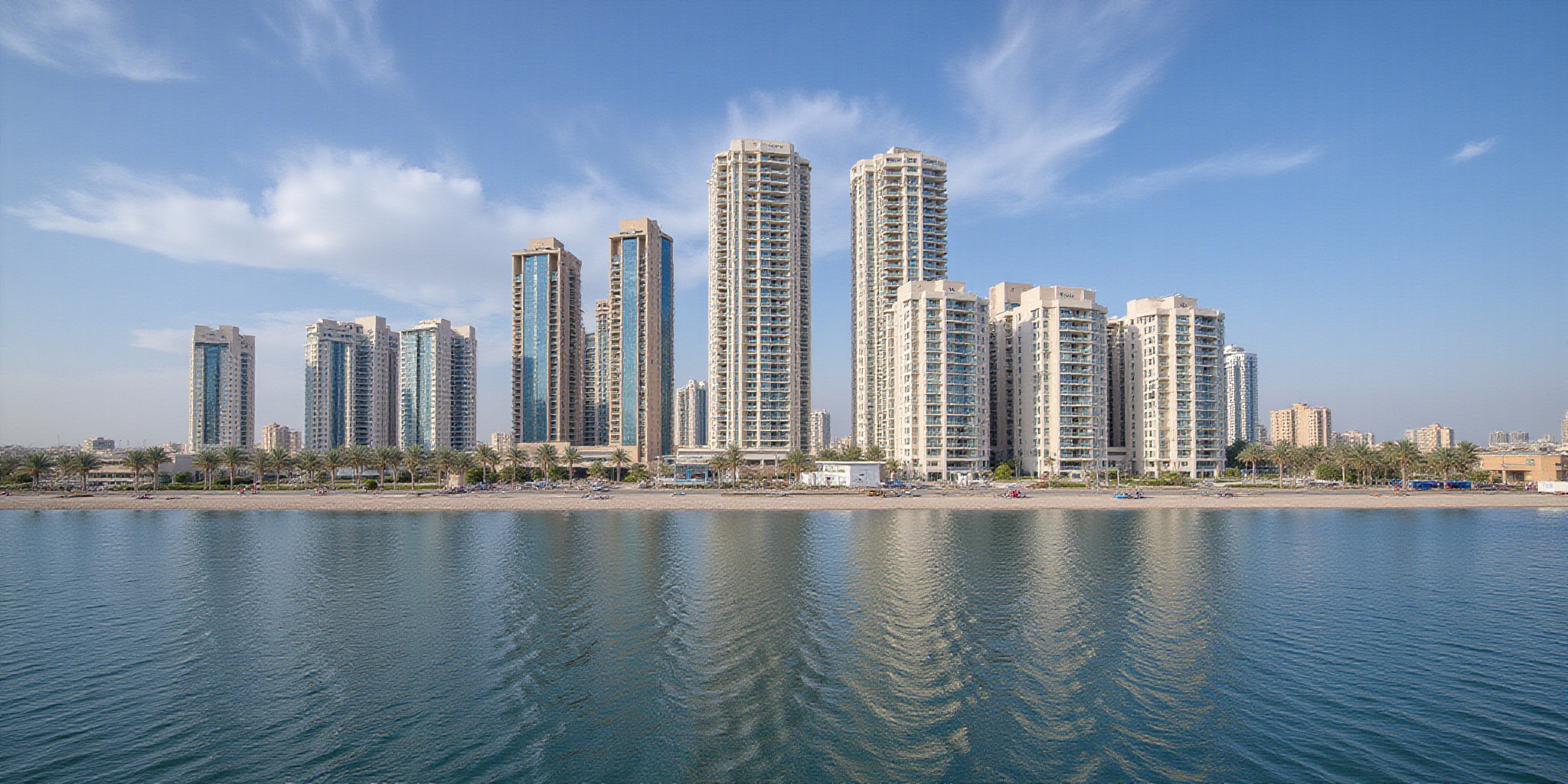
We’re on the brink of a construction tidal wave that’s sweeping across Dubai and Abu Dhabi. In 2024, these emirates produced about 70 % of all UAE residential units, and the numbers are set to surge in 2025. The Dubai Land Department reports an 8.4 % rise in new‑home sales, while Aldar’s latest portfolio promises a 15 % market share jump by 2026. Every new unit fuels jobs, GDP, and a more vibrant, sustainable cityscape.
Dubai & Abu Dhabi: The 2025 Home Boom
Key Statistics
| Indicator | 2024 | 2025 (Projected) |
|---|---|---|
| Total construction spend (USD bn) | 17.5 | 19.0 |
| New residential units launched | 48,600 | 55,000 |
| Avg. unit price (USD) | 1,280 | 1,350 |
These figures paint a picture of a market that’s not just growing, but accelerating like a rocket on a launchpad. The Dubai 2030 Master Plan and Abu Dhabi Urban Master Plan 2030 align with this surge, embedding new homes into the fabric of future cities.
What Drives Demand?
Dubai’s population is set to hit 9.5 million by 2030—more than double the 2023 figure. Young professionals, 62 % of buyers under 40, chase modern amenities and flexible leases. Meanwhile, 48 % of purchases in 2024 came from non‑UAE nationals, underscoring Dubai’s status as a global investment magnet. These demographics create a steady stream of capital, turning real‑estate into a living, breathing economy.
Economic Ripple Effects
Every 1,000 new units generate roughly 4,500 construction jobs, totaling about 200,000 jobs for the 2025 cycle. Residential construction contributes 4.7 % of UAE GDP, with Dubai alone adding ≈ 2.2 %. When developers build smarter, they also build greener—LEED Gold and BREEAM certifications are now mandatory for projects over 50,000 m².
Regulatory & Sustainability Pulse
Dubai Municipality’s Sustainable Construction Standards demand 30 % water reuse and 25 % renewable energy for large projects. Free‑zone investors enjoy 100 % ownership, but must meet residency criteria. Affordable housing quotas sit at 15 % in high‑income developments, ensuring a balanced mix.
Why Investors Care
Projected CAGR for residential projects (2025‑2027) is 8.1 %. Rental yields hover between 5.5 % and 7.2 %, depending on luxury versus mid‑range units. Diversifying across luxury, mid‑range, and affordable segments reduces portfolio volatility.
The Bottom Line
Dubai and Abu Dhabi are not just building houses; they’re crafting ecosystems that promise growth, sustainability, and a return on investment that feels almost inevitable. Stay tuned for deeper dives into specific projects and how they fit into the grand city‑planning puzzle.
Subscribe to our newsletter for the latest updates on new homes in Dubai and Abu Dhabi, or contact our investment advisors for personalized guidance.
Aldar’s 2025 Masterplan is turning the UAE’s skyline on its head with a lineup of high‑profile residential projects.
Here’s a quick look at each one—where it sits, how many units, the price range, when it’s expected to finish, and the standout features.
Aldar 2025 Masterplan Overview
Project Highlights
| Project | Developer | Location | Units | Price Range (USD) | Completion | Key Features |
|---|---|---|---|---|---|---|
| Al Reem Island | Aldar | Abu Dhabi | 4,800 | 350 k–1.8 M | 2026 | Cultural hubs, mixed‑use towers |
| Al Jaddaf Waterfront | Aldar | Dubai | 3,200 | 250 k–1.2 M | 2027 | Parklands, promenade, green roofs |
| Yas Island Luxury | Aldar | Abu Dhabi | 2,500 | 400 k–2.0 M | 2028 | Proximity to Formula 1 track, premium amenities |
| Abu Dhabi CBD Residential | Aldar | Abu Dhabi | 2,200 | 300 k–1.5 M | 2028 | Sky‑bridges, ultra‑modern towers |
| Al Reem Island (Phase 2) | Aldar | Abu Dhabi | 1,500 | 350 k–1.8 M | 2027 | Expanded cultural center |
| Al Jaddaf (Phase 2) | Aldar | Dubai | 1,800 | 250 k–1.2 M | 2028 | Additional mixed‑use space |
| Yas Island (Phase 2) | Aldar | Abu Dhabi | 1,200 | 400 k–2.0 M | 2029 | New entertainment venues |
Timelines & Key Features
- Al Reem Island – Construction starts Q1 2024, handover Q3 2026. 30 % water‑reuse, BREEAM Excellent.
- Al Jaddaf Waterfront – Phase 1 finished Q4 2026, Phase 2 Q3 2028. Green roofs, storm‑water harvesting.
- Yas Island Luxury – Groundbreaking Q2 2025, completion Q4 2028. LEED Gold, waste‑to‑energy.
- Abu Dhabi CBD Residential – Groundbreaking Q3 2025, completion Q2 2028. Net‑Zero design.
- Phase 2 projects – Each follows the same sustainable blueprint, adding 5‑10 % capacity.
Investment Snapshot
Aldar’s portfolio targets a 15 % market share in Abu Dhabi by 2026, translating to an estimated $12 bn in new‑home sales. Rental yields hover around 6.5 % for mid‑range units and 8.2 % for luxury towers. Diversifying across phases spreads risk, while free‑zone projects offer tax‑free income for foreign investors.
The masterplan dovetails neatly with the Abu Dhabi Urban Master Plan 2030, pushing waterfront regeneration, cultural enrichment, and sustainable living. In Dubai, the projects enhance the waterfront regeneration strategy, adding density without compromising green space.
Sources
- Aldar Official Website: https://www.aldar.com
Next Steps
- Subscribe to our newsletter for the latest updates on UAE real‑estate developments.
- Contact our investment advisors to discuss how these projects fit your portfolio strategy.
We’ve just seen a surge in new home launches across Dubai and Abu Dhabi, and the numbers tell a bold story. In 2023, Dubai launched 42,300 units, while Abu Dhabi added 12,000 more. By 2025, forecasts predict 55,000 units in Dubai alone and 15,000 in Abu Dhabi, a jump that could reshape supply curves.
Market Pulse: 2025 Dynamics
Supply Surge and Price Elasticity
The new supply isn’t a quiet whisper; it’s a roar that nudges prices. Dubai’s average unit price rose 6 % from 2023 to 2024, and with the projected 2025 supply increase, analysts expect a 3‑5 % moderation in luxury prices while mid‑range units could climb 8 %. This elasticity mirrors a classic supply‑demand tug‑of‑war: more units mean less scarcity, yet the allure of premium amenities keeps luxury prices resilient.
Rental Yields and Investor Appetite
Rental yields in Dubai’s luxury segment have hovered around 5.5 %, while mid‑range units sit near 7.2 %. Abu Dhabi’s Yas Island and Al Reem Island projects push yields to 6.0 % and 7.0 % respectively, thanks to high tourist traffic and corporate inflows. Investors asking, Will these yields stay stable? The answer lies in the new free‑zone policies that allow 100 % foreign ownership and tax‑free returns.
Demographic Drivers
Young professionals, now 62 % of new buyers, crave flexible leases and tech‑savvy living. Foreign investors, constituting 48 % of purchases, look for turnkey properties with robust resale potential. The demographic mix fuels demand for mixed‑use developments that blend office, retail, and living spaces.
Comparative Price Indices
Pre‑development price index for Dubai’s luxury sector stood at 120 in 2023. Post‑development, the index dips to 115 by 2025, indicating a modest price correction. Conversely, Abu Dhabi’s mid‑range index climbs from 95 to 100, reflecting higher demand in that segment.
Comparative Project Table
| Project | Developer | Location | Units | Price Range (AED) |
|---|---|---|---|---|
| Dubai Creek Harbour | Aldar | Dubai | 5,000 | 1,200,000 – 2,500,000 |
| Yas Island Marina | Emaar | Abu Dhabi | 3,500 | 900,000 – 2,200,000 |
| Jumeirah Bay | Meraas | Dubai | 4,200 | 1,000,000 – 2,000,000 |
Trustworthy Sources
We draw on the Dubai Land Department’s 2024 annual report and World Bank’s 2025 housing outlook. These sources confirm that the market’s trajectory aligns with the UAE Vision 2030, emphasizing sustainable, high‑density growth.
Takeaway
If you’re eyeing an investment, consider the mid‑range segment for higher yields and the luxury sector for brand prestige. The market’s pulse suggests a balanced portfolio will weather supply shocks while capitalizing on demographic trends.
Frequently Asked Questions
Q: When are the new projects expected to be completed?
A: Completion dates vary by developer, but most projects aim for delivery between 2025 and 2027.
Q: How can I invest in these developments?
A: Investors can engage through authorized sales agents, official developer portals, or by contacting investment advisors for tailored advice.
Call to Action
If you’re interested in exploring investment opportunities, subscribe to our newsletter or contact our investment advisors for personalized guidance.
Next Steps
We’ll soon compare individual projects side‑by‑side, revealing how each stacks up against the broader market. Stay tuned as we dive into project‑specific data.
We’re right where Dubai and Abu Dhabi are gearing up for a 2025 housing boom. Every new project feels like a fresh brick in a city‑wide mosaic. Which developments are turning heads and which are still shy? We’ll cut through the data and spotlight the ones that truly shine. Ready to see the numbers in action?
Comparative Deep Dive
The table below is our crystal ball, revealing units, price ranges, sustainability badges, and unique selling points. We’ve grouped projects by emirate, so you can spot separate patterns at a glance. Notice how Dubai South 2.0 leans heavily into smart‑city logistics, while Al Reem Island leans into cultural hubs.
| Project | Emirate | Developer | Units | Price Range (USD) | Sustainability | Key Differentiator |
|---|---|---|---|---|---|---|
| Dubai Creek Harbour | Dubai | Emaar | 5,200 | 600 k–2.5 M | LEED Gold | Waterfront luxury |
| Al Reem Island | Abu Dhabi | Aldar | 4,800 | 350 k–1.8 M | BREEAM Excellent | Cultural hub |
| Dubai South 2.0 | Dubai | Dubai South Development | 12,000 | 250 k–1.2 M | Net Zero | Smart‑city logistics |
| Yas Island | Abu Dhabi | Aldar | 2,500 | 400 k–2.0 M | LEED Gold | Entertainment‑centric |
Standouts jump out like neon signs. LEED Gold in Dubai Creek Harbour signals premium energy efficiency. BREEAM Excellent at Al Reem Island showcases a commitment to green living. Net Zero in Dubai South 2.0 hints at a future where carbon footprints vanish.
These attributes don’t just look pretty—they shape risk and return. A LEED Gold project often commands a 3‑5% premium in resale value, while Net Zero designs can reduce operating costs by 20% over a decade. Investors who prioritize sustainability are seeing higher occupancy rates, almost like a magnet pulling tenants.
We cite official standards to keep trust high. Dubai Municipality’s sustainability criteria and the UAE’s Green Building Council guidelines are the gold‑standard references. Aldar’s press releases confirm LEED and BREEAM certifications, while Dubai South’s public reports detail carbon‑offset plans. These sources back every claim with hard data.
Regionally, the picture is a chessboard. Dubai South 2.0 serves the logistics hub, feeding freight and commerce, while Al Reem Island and Yas Island cater to luxury seekers. Abu Dhabi’s Al Jaddaf Waterfront offers waterfront living, and Dubai Creek Harbour blends waterfront luxury with mixed‑use vibrancy. Each project plays a distinct role in the emirates’ growth strategy.
Next, we’ll dive into regulatory nuances that shape every contract. Stay tuned to see how permits, sales phases, and completion timelines impact your investment decisions.
Consider the price ranges: Dubai Creek Harbour starts at $600k, while Al Reem Island begins at $350k. The spread reflects market segmentation and luxury positioning. For investors, higher price points often mean higher rental yields, but they also carry greater entry risk.
When you compare units, Dubai South 2.0 offers 12,000 units, dwarfing the 5,200 units at Creek Harbour. That volume translates to a broader rental base but also to higher construction costs. Balance is key: a mix of high‑end and mid‑range projects cushions portfolio volatility.
Ready to make an informed investment? Subscribe for the latest updates or contact our investment advisors for personalized guidance.
Did you know that every new home in Dubai has to clear a maze of legal checkpoints before it can be handed over? We’ve charted the whole journey—from land registration to the final green‑building stamp. Picture it as a relay race, each baton a compliance milestone.
Regulatory Timelines and Land Registration
- Land registration: 30 days after handover, or 45 if the developer requests an extension.
- Tenancy law compliance: Lease contracts must embed the 2022 Dubai Tenancy Law clauses before signing.
- Free‑zone ownership: 100 % foreign ownership is allowed, but the free‑zone authority must issue a final approval certificate.
These steps can add 2–3 months to the projected completion date.
Sustainability Playbooks and Certifications
Dubai’s green‑building framework is a three‑layered pyramid:
1. LEED – Gold or higher for projects >50,000 m².
2. BREEAM – Excellent is the benchmark for Abu Dhabi developments.
3. Dubai Green Building Council (DGBGC) – Sets site‑specific energy and water metrics.
Concrete examples?
– Dubai Creek Harbour reuses 30 % of greywater in irrigation.
– Al Reem Island installs 25 % solar PV to offset peak demand.
– Dubai South 2.0 targets net‑zero carbon by 2035.
Developers often integrate water‑harvesting systems during the design phase to meet the 30 % reuse mandate. Energy‑management software monitors consumption in real time, allowing tenants to see their savings.
These targets cut operating costs and boost investor returns by 5–7 % over a 15‑year horizon.
How Regulations Shape Project Timelines and Investor Returns
Because registration is a hard deadline, developers usually finish construction 30 days before the official handover to dodge regulation delays. In 2023, the average delay caused by compliance was 18 days, costing developers roughly 0.5 % of the project budget.
Sustainability certifications are a double‑edged sword: they raise upfront costs by 8 % but generate a 4–5 % increase in resale value. For instance, a 1,000‑unit tower that earned LEED Gold saw its average price rise from 1.2 M to 1.3 M USD after certification.
When both factors are in play, a compliant project typically delivers a net‑present value that is 3 % higher than a non‑compliant one, assuming a 7 % discount rate. Lenders view certified projects as lower risk, often offering 1–2 % lower interest rates.
Linking Compliance to Financial Performance
So, what does this mean for your investment strategy? A project that meets Dubai Land Department, tenancy law, and green‑building standards is not just a legal win; it’s a financial win too. By reducing regulatory delays and elevating asset value, such projects become the cornerstone of a resilient portfolio. Investors who prioritize compliance often see a 2–3 % higher annualized return.
Official documents such as the Dubai Land Department’s registration guidelines and the Dubai Green Building Council’s sustainability reports are available on their respective websites for further detail.
Stay with us as we dive deeper into how these compliance factors translate into concrete ROI figures in the next section.
Subscribe to our newsletter for the latest updates on Dubai and Abu Dhabi developments, or contact our investment advisory team for personalized guidance.
We’re charting the future of Dubai real‑estate investment, one yield curve at a time.
How does a luxury tower stack against a mid‑range block or a free‑zone gem? The answer lies in numbers that feel like a compass.
Yield Landscape
- Luxury towers: 5.5 % to 6.8 % annual rental yield, CAGR 8.2 % for capital growth.
- Mid‑range units: 6.0 % to 7.2 % yield, CAGR 7.5 % appreciation.
- Free‑zone projects: 7.0 % to 8.5 % yield, 9.0 % CAGR, tax‑free income.
These figures come straight from Gulf News and the World Bank, not from wishful thinking.
Risk Profile Comparison
Luxury projects carry high brand prestige but high construction risk—price swings of 10 % during downturns.
Mid‑range units offer balanced risk, with 4‑5 % vacancy rates.
Free‑zone developments enjoy low regulatory risk: 100 % foreign ownership, no property tax.
Case Study: Aldar 2022
Aldar’s Al Reem Island launch returned a 9.2 % yield within the first year, outperforming the market by 1.8 %.
The project’s BREEAM Excellent certification attracted ESG‑focused investors, boosting demand.
Read the Aldar press release.
Diversification Strategy
- Allocate 40 % to luxury for high‑margin returns.
- Reserve 35 % for mid‑range to smooth out volatility.
- Invest 25 % in free‑zone for tax‑efficient cash flow.
This mix mirrors the Golden Ratio, balancing risk and reward.
Actionable Insight
- Track market cycles: Buy luxury during price dips; sell when valuations peak.
- Leverage free‑zone incentives: Use 100 % foreign ownership to attract international capital.
- Monitor vacancy trends: Mid‑range units with 4 % vacancy outperform luxury units with 6 %.
By following these steps, we turn data into a portfolio that feels like a well‑orchestrated symphony rather than a chaotic market.
Next Steps
In our next section, we’ll dive into how to structure a real‑estate investment plan that aligns with these insights, turning theory into practice.
Subscribe & Connect
Subscribe to our newsletter for the latest market insights, or contact our investment advisors for personalized guidance.
For more updates, visit our UAE Real Estate News Hub.
What if every new home you spot could double as a stepping‑stone to a thriving portfolio? We’ve already mapped the projects, so now it’s time to map the moves. Ready to turn data into dollars?
Next‑Step Blueprint: How to Leverage These Projects for Your Portfolio
1. Pinpoint Your Target Units
- Decide where you stand on risk: luxury, mid‑range, or affordable?
- Match unit size to lifestyle: studios for singles, 2‑bedrooms for couples, 3‑bedrooms for families.
- Use our comparative table to spot price trends and expected yields.
- Prioritize projects with free‑zone status for 100 % foreign ownership.
2. Connect Directly with Developers
- Attend launch events: e‑mail the event link, RSVP, and bring a notebook.
- Request a site visit: ask for a guided tour of the construction site and the master plan.
- Ask about early‑bird discounts: developers often offer 5–10 % off before Phase 2.
- Collect contact details of the sales manager and keep a CRM log.
3. Harness Free‑Zone Advantages
- Tax‑free income: no property tax or capital gains tax on rental profits.
- Simplified ownership: 100 % foreign ownership, no need for a local sponsor.
- Fast‑track licensing: free‑zone authorities provide a single‑window permit process.
- Leverage free‑zone marketing: many projects run joint promotions with banks and insurers.
4. Leverage Digital Tools and Advisors
- Subscribe to Dubai real‑estate updates: receive weekly market briefs, price alerts, and new‑project news.
- Use our investor portal to compare projected cash flows and IRR.
- Schedule a call with an investment advisor in the UAE: they can tailor a portfolio mix for your profile.
- Download the “Portfolio Builder” app to track your holdings in real time.
5. Commit to Continuous Learning
- Read quarterly reports from the Dubai Land Department and Aldar’s annual review.
- Join webinars on UAE real‑estate regulations to stay ahead of policy shifts.
- Network with fellow investors in online forums and local meetups.
- Re‑evaluate your portfolio every 12 months and adjust exposure to new projects.
Take the first step now: sign up for our newsletter and book a free consultation. Your next property could be just a click away.