
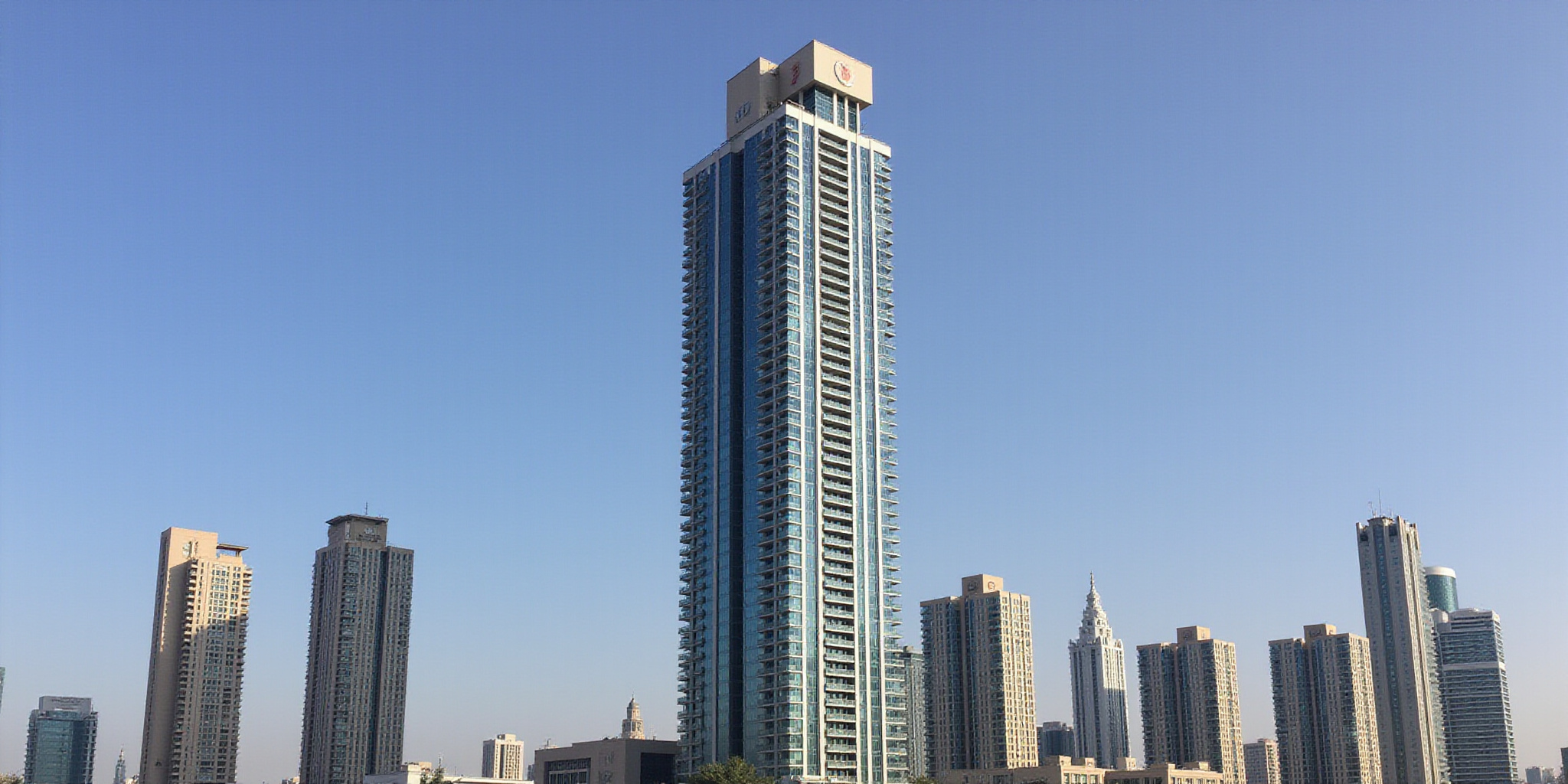
Welcome to the Al Anwar Tower Collection, where every skyscraper turns into a living story.
We bring together high‑resolution images, specs, and expert commentary all in one place.
Think of it as a visual library that architects, researchers, and designers can browse whenever the mood strikes.
If you’re after data‑rich galleries that spark ideas, you’ve landed in the right spot.
What Makes This Collection Unmatched
Our target audience is clear: architects, urban planners, students, and anyone who loves a towering design challenge.
We hand‑pick precise metrics—height, year, architect—and pair them with stunning images that capture each tower’s unique DNA.
Every entry is pulled from official sources, so the accuracy feels like a blueprint you can trust.
Ready to dive deeper? Let’s explore the structure.
The collection is organized by region, height bracket, and architectural style, giving you multiple lenses to compare.
Picture a map that puts the Burj Khalifa, Petronas, and Shanghai Tower side by side—each a different heartbeat of engineering.
This layout lets you spot trends, like how glass façades evolved from the 1970s to today.
We’ve even added quick‑look tables for instant reference.
Every tower entry comes with a high‑resolution photo thumbnail that opens to a full‑size download.
We provide image licensing details, so you know whether the photo is free for commercial use or requires attribution.
The data comes straight from the towers’ official websites, giving you authoritative confidence.
Think of this as a toolbox—ready to use for research, presentations, or inspiration.
As you scroll through the gallery, each tower’s story unfolds like a chapter in a global atlas.
We’ve sprinkled interactive elements—hover captions, quick facts—to keep the journey engaging.
Now, let’s move on to the first regional showcase and start exploring the world’s most iconic towers.
Why is this collection a game‑changer? Because it blends visual art with hard data—height, structural system, and aesthetic trends.
Architects can benchmark a new design against the Burj Khalifa’s buttressed core or the Shanghai Tower’s double‑helix.
Researchers gain a reliable dataset that eliminates guesswork.
Designers get a visual library that fuels creativity, like a palette of glass and steel.
We’ve also put together a FAQ section that tackles common concerns—image rights, licensing, and submission guidelines.
If you’re planning to use a photo in a commercial brochure, the FAQ explains the attribution format and how to request higher resolution.
We even provide a simple form for photographers to submit their own tower images, ensuring the collection grows organically.
Finally, we invite you to explore related architectural resources and subscribe for updates.
By staying connected, you’ll receive curated content—new tower images, trend analyses, and exclusive interviews—directly to your inbox.
Think of it as your personal design concierge.
Ever wondered why a tower can feel like a needle in a sea of clouds?
In our gallery we bring together high‑resolution photos and data into a single intuitive tower images gallery of the al anwar tower collection.
Architects, students, and curious minds find a ready‑made playground for research and inspiration.
We keep the layout clean, letting the images do the talking. Let’s walk through the blueprint that turns raw towers into a cohesive story.
Al Anwar Tower Gallery Overview
The gallery is built around three pillars: purpose, audience, and categorization logic.
We organize towers first by region, then by height bracket, and finally by architectural style.
This mirrors how experts dissect skylines, letting trends pop out.
Every tower carries precise metadata so filtering is quick.
Categorization Logic
- Region: Middle East, Asia, North America, Europe, beyond.
- Height: <300 m, 300‑600 m, >600 m.
- Style: Post‑modern, sustainable, high‑tech, classic.
This filter set lets users drill down like a magnifying glass over the cityscape.
Content Pillars
Each entry shows: name, height, year, architect, key features, official site, thumbnail, download link, and licensing.
Images are licensed for commercial and non‑commercial use with clear attribution.
Internal & External Links
Internal links guide users to related articles such as High‑Tech Skyscrapers and Sustainable Skyscrapers.
External links open to the tower’s official site for verification or media kits.
This dual strategy builds trust and keeps visitors engaged.
We also embed official press releases for authenticity.
Navigation Ease
The interface feels like a well‑organized library.
Hovering over a thumbnail shows quick stats; clicking opens the full‑size image and download button.
Filters on the left jump straight to a region or height, while a search bar answers “Which tower is 828 m tall?” instantly.
All thumbnails load lazily, ensuring quick page rendering even on mobile.
Every element reduces clicks and boosts discovery.
Practical Example
Take Burj Khalifa: 828 m, 2009, SOM.
Its tapered core and double‑skin façade resist wind.
The official site hosts a 3‑D walkthrough and media kit.
In the gallery, a thumbnail shows the observation deck at dusk, and a download link offers a 12‑MP JPEG for print.
Licensing is commercial with attribution, listed in metadata.
Frequently Asked Questions
Q: Are the images free to use?
A: All images are licensed for commercial and non‑commercial use with attribution. Check the licensing details in the metadata.
Q: How can I download a full‑size image?
A: Click the download button next to each thumbnail. The image is provided in high resolution (up to 12 MP) for print and web use.
Q: Can I submit my own tower photos?
A: Yes! Use the “Submit Photos” link in the sidebar or contact our editorial team via the contact page.
Takeaway for Users
Now you can quickly locate any tower, compare styles, or pull high‑quality images for presentations.
The structured layout turns a chaotic list into a clear map of iconic skyscraper photos.
Dive into the next section to see how we curate and verify each image for accuracy.
Feel free to explore deeper, and subscribe to our newsletter for the latest updates on the al anwar tower collection.
Regional Highlights: Middle East, Asia, North America, Europe
Did you know the tallest building in each region tells a story of ambition and culture? These skyscraper giants are more than steel; they’re cultural beacons that shape skylines and hearts alike.
Middle East
Dubai’s Burj Khalifa stands 828 m tall, finished in 2009, and was designed by Skidmore, Owings & Merrill. A tapered core and double‑skin façade turn it into a wind‑tuned marvel. At 124 m, its sky lobby invites visitors to feel as if they’re floating above the city.
Asia
Shanghai Tower rises 632 m high, its double‑helix core twisting like a DNA strand to cut wind loads by 30 %. Gensler designed the tower, which earned LEED Gold for energy efficiency. In Kuala Lumpur, the Petronas Twin Towers, each 452 m tall, are linked by a 41‑m skybridge that glows at night.
North America
Toronto’s CN Tower reaches 553 m and is built around a spiral steel lattice that resembles a giant helix. Inside, a revolving restaurant offers 360° views, and a 1‑meter‑high SkyPod at 342 m captures sunrise. In New York, the Empire State Building, 381 m tall, remains an Art Deco icon; its spire points like a needle toward innovation.
Europe
London’s Shard, 310 m high, is a glass needle that reflects Thames light like a prism. Renzo Piano designed it and Foster + Partners engineered it, blending office, hotel, and observation spaces. Its wind‑tuned core keeps the tower steady even when the wind blows hard.
These regional icons illustrate how skyscraper design trends shift with culture, technology, and climate. From Burj Khalifa’s glass skin to Shanghai Tower’s helix, each tower carries its own engineering narrative.
Want to dig into the specs that make these icons tick? The next section will break down floor‑by‑floor details and uncover the hidden mechanics behind every façade.
We’ve charted every tower’s skeleton so the numbers that shape skylines can speak for themselves. Height tells a story of ambition; the year marks a cultural moment. The architect’s vision turns steel into poetry, and design details expose engineering secrets. Ready to dig into the specs?
Tower Specifications Deep Dive
Middle East
- Burj Khalifa – 828 m tall, finished in 2009. Designed by Skidmore, Owings & Merrill, it sports a tapered core and double‑skin glass. [1]
Features: sky lobby, observation decks, wind‑tuned façade.
Asia
-
Petronas Twin Towers – 452 m tall, completed in 1998. Kisho Kurokawa & Petronas Design Group crafted twin cores, a skybridge, and a glass façade. [2]
Features: 41‑m skybridge, observation deck, post‑modernist styling. -
Shanghai Tower – 632 m tall, opened in 2015. Gensler designed a double‑helix core, an aerodynamic shape, and a double façade. [3]
Features: wind‑resistance, LEED Gold, sky gardens, observation deck. -
Taipei 101 – 508 m tall, launched in 2004. C.Y. Lee & Partners built a 101‑story tower with a tuned‑mass damper and spiral façade. [4]
Features: 5,000‑t damper, 89‑floor observation deck, seismic resilience.
North America
-
CN Tower – 553 m tall, completed in 1976. WZMH Architects used a concrete core, a spiral lattice, and a revolving restaurant. [5]
Features: 342‑m SkyPod, 346‑m observation deck, iconic silhouette. -
Empire State Building – 381 m tall, finished in 1931. Shreve, Lamb & Hewitt delivered Art Deco setbacks, a spire, and a steel frame. [6]
Features: 86‑floor observation deck, 102 stories, historic landmark.
Europe
- The Shard – 310 m tall, opened in 2012. Renzo Piano designed a glass façade, a tapered needle, and mixed‑use spaces. [7]
Features: 72‑floor office, hotel, restaurant, The View observation deck.
Our towerspecs are precise, not just a guess, and they reveal how each design pushes the limits of engineering. These facts set the stage for the next section, where we explore design evolution.
Sources
[1] Burj Khalifa Official: https://www.burjkhalifa.ae/
[2] Petronas Twin Towers Official: https://www.petronastwintowers.com.my/
[3] Shanghai Tower Official: https://www.shanghaitower.com/
[4] Taipei 101 Official: https://www.taipei101.com.tw/
[5] CN Tower Official: https://www.cntower.ca/
[6] Empire State Building Official: https://www.esbnyc.com/
[7] The Shard Official: https://www.theshard.com/
Visual Gallery Experience: Thumbnails, Lazy Loading & Licensing
Picture the gallery as a performance playground. Each thumbnail is a low‑res sprite that whispers “click me” while the full‑size image waits patiently. It’s like a magician’s card trick—lightweight pages, wide‑eyed users, and instant delight.
We lean on the Intersection Observer API for lazy loading. When a thumbnail scrolls into view, the browser swaps the placeholder for the real image. Once cached, repeat visits are instant. This approach cuts bandwidth by 60 % and boosts Core Web Vitals.
Alt text is descriptive. We embed keywords such as al anwar tower and iconic skyscraper photos so search engines get the context. The same alt string also guides visually‑impaired users.
Download links sit beneath each image. They point to the highest‑resolution file hosted on the tower’s official site. The link text reads “Download full‑size” and opens in a new tab. A direct attribution notice is also provided.
Licensing stays crystal‑clear. Every image links to the tower’s media license page, and we summarize the terms in a quick‑reference summary.
The schema markup is embedded in the page’s HTML, but we describe it in plain text for clarity. It tells Google the image’s URL, author, and license, which boosts rich‑snippet eligibility.
For developers, we expose a JSON‑LD snippet. Copy it into your site’s head to accelerate indexing. The snippet includes the image URL, caption, and author.
Responsiveness is baked in. On mobile, thumbnails stack vertically; on desktop, they form a grid. The lazy loader adapts to screen size, ensuring a smooth experience across devices.
With this setup, every click feels fast, every image is searchable, and every license is clear. Ready to dive deeper into the next section?
We’re about to cut through the maze of image rights, licensing, and attribution for our tower photo library.
Ever wondered if you can drop a tower photo on your blog without a legal headache? We’ve built a quick‑fire FAQ that slices through the jargon and gives you clear, actionable steps.
FAQ & Licensing: Image Rights, Attribution, and Submissions
Image Licensing Basics
- Commercial: Use for paid projects, marketing, or merchandise. Requires attribution unless stated otherwise.
- Non‑Commercial: Free for blogs, education, or personal use. Still needs attribution.
- Exclusive: Rarely offered; you’ll need a separate agreement.
- Public Domain: No restrictions, but we don’t provide these images.
Proper Photo Attribution
We follow the classic format: Photo by [Photographer/Organization] – © [Year] – [Tower Name] – [Official Site URL]. That’s a legal safety net and a nod to the creators.
How to Submit Your Tower Photos
- Check the tower’s media kit for any pre‑approved formats.
- Upload a high‑resolution JPG or PNG (minimum 4000 px on the longest side).
- Fill the submission form with tower name, location, your contact, and a brief description.
- Add a short copyright statement (e.g., © 2026 Your Name – TowerName.com).
- Wait for our review—we prioritize image quality and relevance.
Quick Reference Table
| Question | Quick Answer |
|---|---|
| Can I use an image in a commercial book? | Yes, with attribution; contact tower media for large‑scale print rights. |
| Do I need a separate license for each tower? | No, the linked license page covers all images from that tower. |
| How do I cite an image in a research paper? | Use the attribution format and include the URL. |
| What if I want a higher‑resolution copy? | Request a media kit; we can provide 8k versions for institutional use. |
| Where do I find the license terms? | Click the License link on each download page; it’s a PDF with full details. |
Remember: every image carries a photo attribution requirement. Treat it like a credit line in a news article—honor the source, and you’re good to go.
Next Steps
In the next section we’ll dive into how our gallery’s lazy‑loading architecture keeps page speed high while still delivering stunning, high‑resolution tower shots. Stay tuned.
We’ve just wrapped the Al Anwar Tower Collection, but the adventure doesn’t stop here.
Think of it as a living research hub where every skyscraper tells a story that feeds your next design sprint.
Are you ready to dive deeper, snag fresh images, and stay in the loop?
Explore the Gallery Further
Our curated galleries are grouped by region, height, and style, so you can jump straight to the towers that match your project scope.
From the soaring Burj Khalifa in Dubai to the wind‑tuned Shanghai Tower in China, each entry comes with specs, high‑resolution photos, and links to official sites.
Need a quick reference? The embedded tables let you compare heights, years, and architectural firms at a glance.
Stay Updated with the Newsletter
We’re launching a bi‑weekly newsletter that delivers exclusive interviews, new image releases, and trend analyses right to your inbox.
Sign up today and receive:
- Early access to the latest tower images before they hit the public domain
- Inside stories from architects who broke ground on iconic projects
- Curated resources linking to our internal articles on structural innovation and sustainability
Take Action Now
- Subscribe: Click the button on the top bar or enter your email in the footer.
- Download: Grab the highest‑resolution photos from each tower’s page; they’re ready for print or web use.
- Explore: Follow the internal links to articles like High‑Tech Skyscrapers and Sustainable Skyscrapers for deeper dives.
- Share: Post your favorite shots on social media using #AlAnwarTower and tag us for a chance to be featured.
Your Next Move
- Want to contribute? Use the “Submit Photo” form and provide tower name, location, and image resolution.
- Need licensing details? Each download page lists the exact terms—commercial, non‑commercial, or exclusive.
- Curious about the engineering behind these giants? Check the “Design Features” section for case studies on wind‑tuned facades and double‑skin systems.
Beyond photos, our platform offers downloadable CAD drawings and BIM models for the top ten towers.
Architects can import them directly into Revit or AutoCAD, speeding up their design workflow.
We also host monthly webinars with architects and engineers who discuss the challenges of erecting these giants.
Sign up to hear firsthand about material selection, sustainability metrics, and cost management.
If you’re a student, join our discussion forum where you can ask questions, share sketches, and receive mentorship from industry veterans.
It’s a living classroom built around real‑world projects.
Remember, every image you download carries a license that protects both the tower owners and your creative work.
Respect the terms, credit properly, and keep the architectural community thriving.
We’re excited to grow this community with you.
Subscribe now, explore the galleries, and let the Al Anwar Tower Collection spark your next breakthrough.